Deciding that your marriage may be ending is one of the hardest realizations a person can face. Whether you’re certain divorce is coming or simply weighing your options, the uncertainty, fear, and grief that come with it are real — and so is the need to protect yourself. Many people considering divorce want to prepare quietly, before conversations begin at home, so they can make clear-eyed decisions instead of reactive ones.
This guide walks through practical, discreet steps to prepare for a Texas divorce, from organizing financial records to understanding your rights around custody and property. It isn’t a substitute for personalized legal advice, but it will help you walk into that first conversation with a Dallas divorce lawyer informed, organized, and in control of what you can control.
Every situation is different — a short marriage with few shared assets looks nothing like a twenty-year marriage with a family business, retirement accounts, and children still in school. What stays the same is the value of preparation. The more clearly you understand your finances, your legal rights, and your options before anyone else is involved, the more confidently you can make decisions that protect your future and your family’s stability.
Why Discreet Divorce Planning Matters
Divorce is rarely a single decision — it’s a process. Preparing quietly beforehand isn’t about deception; it’s about making sure you have accurate information and options before decisions get made for you. People who gather documentation and understand their legal position early tend to negotiate from a place of clarity rather than panic.
A Dallas divorce attorney can help you understand what “prepared” actually looks like under Texas law, since the state’s community property rules, custody standards, and procedural timelines all shape what smart preparation involves.
It’s also worth acknowledging what discreet preparation is not. It isn’t about hiding assets from the court, manipulating custody outcomes, or setting a trap for your spouse. Texas judges and opposing counsel can usually spot bad-faith behavior, and it tends to backfire — costing you credibility exactly when you need it most. The goal of discreet planning is simply to arm yourself with accurate information before conversations begin, so you’re responding to facts instead of fear.
Step 1: Gather and Organize Financial Documents
Financial transparency — or the lack of it — is one of the most contested issues in Texas divorces. Before any conversations happen, start collecting copies of:
- Tax returns from the last three to five years
- Bank, brokerage, and retirement account statements
- Pay stubs and documentation of any additional income
- Mortgage statements, property deeds, and vehicle titles
- Credit card statements and any outstanding debts
- Business records, if you or your spouse own a business
- Life insurance policies and estate planning documents
Store copies somewhere your spouse can’t access — a personal email account, a cloud folder, or with a trusted family member. This documentation becomes critical if your case involves significant assets; our high-net-worth divorce team regularly sees cases where early documentation made the difference between a fair settlement and a drawn-out discovery fight.
Step 2: Understand Texas Community Property Law
Texas is a community property state, meaning most assets and debts acquired during the marriage are considered jointly owned, regardless of whose name is on the account. Courts divide this property in a manner that’s “just and right,” which does not automatically mean an even 50/50 split — separate factors like earning capacity, fault, and the needs of any children can shift the outcome.
Texas also requires a mandatory 60-day waiting period between filing and finalization (with limited exceptions for documented family violence), and you must meet residency requirements — six months as a Texas domiciliary and 90 days in the county where you file — before a petition can be filed. Knowing these timelines helps you plan realistically instead of guessing.
Step 3: Protect Your Credit and Open Individual Accounts
Quietly separating your finances early prevents surprises later. Consider:
- Opening an individual checking account and, if appropriate, a separate savings account
- Reviewing your credit report for joint debts you may not have known about
- Redirecting some portion of your income into an account only you control, while keeping shared bills paid
- Avoiding large, unexplained withdrawals, which can be scrutinized during property division
None of this is about hiding assets — Texas courts take a dim view of concealment, and it can backfire badly in a spousal support or property division dispute. The goal is financial independence and clarity, not deception.
Step 4: Consider Child Custody and Support Early
If you have children, custody and support will likely be the most emotionally significant part of your case. Start thinking now about a realistic parenting schedule, and keep a simple log of your day-to-day involvement — school pickups, medical appointments, extracurriculars. Courts weigh the existing caregiving relationship heavily, and documentation helps.
child custody lawyer in Dallas can walk you through how Texas courts apply the “best interest of the child” standard, and a Dallas child support attorney can give you a realistic estimate of what support may look like under the state’s guidelines based on income and possession schedule.
Fathers’ Rights in a Dallas Divorce
Texas law does not favor mothers over fathers in custody determinations — the standard is the best interest of the child, not the parent’s gender. Fathers concerned about their rights in a Dallas divorce should document their involvement in their children’s lives and understand that joint managing conservatorship is the starting presumption in most cases absent evidence it wouldn’t serve the child.
Mothers’ Rights in a Dallas Divorce
Similarly, mothers navigating divorce should know that Texas courts do not automatically grant primary custody based on gender. Mothers’ rights in a Dallas divorce are rooted in the same best-interest standard, and outcomes depend on the specific facts of the case — the parenting history, each parent’s stability, and the child’s needs.
Step 5: Know the Difference Between Uncontested and Contested Divorce
Not every divorce requires a courtroom battle, and understanding which path you’re likely on shapes how you prepare.
Uncontested Divorce Attorney in Dallas
If you and your spouse largely agree on property division, custody, and support, an uncontested divorce can be faster, less expensive, and less adversarial. An uncontested divorce attorney in Dallas can formalize your agreement into a legally sound settlement, making sure nothing important is overlooked simply because both sides want to move quickly.
Contested Divorce in Dallas
When spouses disagree on major issues — asset division, custody, or support — the case becomes a contested divorce in Dallas, which may involve mediation, discovery, temporary orders, and potentially trial. These cases require more preparation, more documentation, and a lawyer who is comfortable litigating if a fair settlement isn’t reached.
Step 6: Build Your Support Network Discreetly
Divorce is isolating even when it’s the right decision. Identify a small circle — a therapist, a close friend, a family member — you can talk to honestly before you’re ready to make your situation public. Avoid discussing case strategy or asset details on social media or shared devices, since these can surface unexpectedly during discovery.
Step 7: Consult a Dallas Divorce Attorney Before You Act
Perhaps the most important step in discreet divorce planning is talking to a lawyer before you make any major moves — before you move money, move out, or say anything to your spouse. A consultation costs you nothing but time, and it can prevent costly missteps.
What to Expect at a Dallas Divorce Lawyer Consultation
A Dallas divorce lawyer consultation typically covers your specific situation: your assets, your children, your goals, and your concerns. A good attorney will give you a realistic, honest assessment — not a rosy promise — of what your case may look like, what it may cost, and how long it may take. You should leave with a clearer picture of your options, not more confusion.
Dallas Family Law Attorney Qualifications to Look For
When you’re searching for a divorce attorney near me, qualifications matter more than proximity. Look for:
- Board certification or significant focused experience in Texas family law
- A track record handling cases similar to yours (high-asset, custody-heavy, contested, etc.)
- Transparent fee structures and clear communication about costs
- Local courtroom experience in Dallas County family courts
- Dallas divorce attorney reviews from former clients that speak to responsiveness and honesty, not just outcomes
best divorce lawyer in Dallas for your situation is one who combines legal skill with genuine, straightforward communication — someone willing to tell you what you need to hear, not just what you want to hear.
Don’t be afraid to ask direct questions during your search: How many family law cases has this attorney handled in Dallas County courts? What does a realistic timeline look like for a case like yours? How will you be updated as the case progresses, and how quickly are calls and emails typically returned? The answers will tell you as much about fit as any bio page or credential list.
Common Mistakes to Avoid Before Filing
Even well-intentioned people make missteps when preparing for divorce, often because they act on emotion or incomplete information rather than sound legal guidance. Before you take any major step, keep these common mistakes in mind:
- Moving money or property without legal guidance. Large transfers or withdrawals made without advice can look like concealment, even when they aren’t, and can undermine your credibility later.
- Confiding in the wrong people. What you say to mutual friends, coworkers, or on social media can resurface during a contested case. Keep sensitive details limited to your attorney and a small trusted circle.
- Waiting too long to consult a professional. Many people wait until they’ve already moved out or confronted their spouse before speaking with a family law attorney serving Dallas. By then, some options may already be off the table.
- Assuming your case will resolve like a friend’s or relative’s. Every marriage, asset structure, and custody situation is different. What worked for someone else’s divorce may not apply to yours.
- Ignoring the emotional toll. Divorce is a legal process, but it’s also a deeply personal one. Lining up a therapist or counselor alongside your legal team can make the entire process more manageable.
A short consultation early on can help you avoid most of these pitfalls before they become costly problems.
How Much Does an Affordable Divorce Lawyer in Dallas Cost?
Cost is one of the first questions most people ask, and it’s a fair one. Rates vary based on case complexity, whether the divorce is contested, and how much negotiation or litigation is required. An affordable divorce lawyer in Dallas doesn’t necessarily mean the cheapest hourly rate — it means transparent pricing, efficient case management, and a firm that won’t run up unnecessary costs. Ask any firm you’re considering for a clear breakdown of fees during your initial consultation, and read our blog for more on what drives divorce costs in Texas.
Serving Dallas and Surrounding Communities
Our Dallas divorce law firm proudly serves clients throughout Dallas County. We understand that divorce proceedings often involve local court systems, and our extensive experience in Dallas-area family courts gives our clients a distinct advantage.
As a Dallas-area divorce lawyer, we handle divorce, child custody, child support, asset division, and mediation for families across the region, including the Irving divorce lawyer market, as a family attorney serving Garland through our Garland divorce lawyer page, and for clients in Mesquite, Richardson, and Grand Prairie.
Primary Service Areas: Dallas, Garland, Richardson, Mesquite, Irving, DeSoto, Grand Prairie, Seagoville, and Duncanville.
With more than 25 years of experience, our small team gives every client personalized attention — not a rotating cast of associates. We believe in transparent pricing, clear and concise explanations of your legal options, and an honest case assessment from day one. We won’t placate you with empty reassurances or promise outcomes we can’t deliver. Our approach is compassionate, but when court is necessary, we are strategic, committed, and tough. You deserve honest communication over false hope, and realistic guidance that lets you make informed decisions based on facts — not wishful thinking.
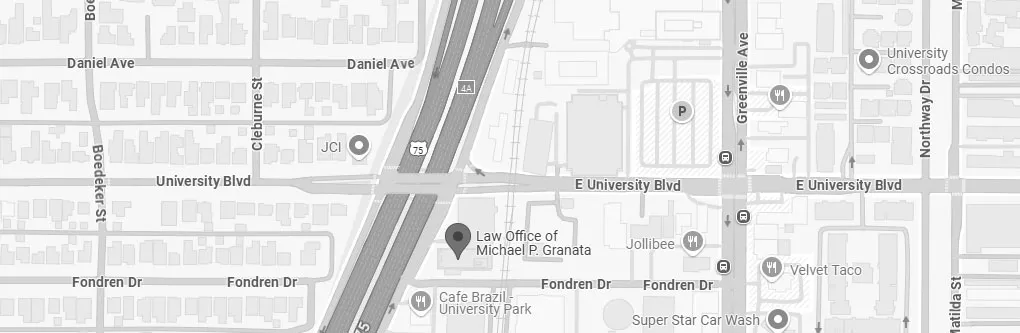
Office Address: 6440 N. Central Expressway, Suite 450, Dallas, Texas 75206
Phone: (214) 977-9050
Frequently Asked Questions
How do I find the best divorce lawyer in Dallas for my situation?
Look for a Dallas family law attorney with focused family law experience, strong local courtroom knowledge, transparent pricing, and positive Dallas divorce attorney reviews. Schedule consultations with two or three firms before deciding.
What happens during a Dallas divorce lawyer consultation?
You’ll discuss your assets, children, and goals, and receive an honest assessment of your legal options, likely timeline, and estimated costs. It’s also your chance to evaluate whether the attorney communicates in a way that works for you.
How is property divided in a Texas divorce?
Texas is a community property state. Courts divide marital property in a manner that is “just and right,” which considers factors beyond a strict 50/50 split, including earning capacity and the needs of any children.
How long does a divorce take in Dallas, Texas?
Texas imposes a mandatory 60-day waiting period after filing, but contested cases involving custody or complex assets often take several months to over a year. Uncontested cases can resolve much faster.
Do fathers have equal custody rights in Texas?
Yes. Texas courts apply a best-interest-of-the-child standard regardless of parental gender, and joint managing conservatorship is the common starting point in most cases.
What’s the difference between a contested and uncontested divorce?
An uncontested divorce means both spouses agree on major issues like property, custody, and support. A contested divorce in Dallas involves unresolved disputes that may require mediation or litigation.
Can I get an affordable divorce lawyer in Dallas without sacrificing quality representation?
Yes. Affordability comes from transparent fee structures and efficient case handling, not from cutting corners. Ask about pricing clearly during your first consultation.
Take the Next Step
Preparing for divorce discreetly is about protecting your future while you still have time to think clearly. You don’t have to navigate Texas family law alone, and you don’t have to make irreversible decisions before understanding your options.
If you’re ready to talk through your situation with a Dallas divorce attorney who will give you honest, straightforward guidance, call our office at (214) 977-9050 or reach out online to schedule your consultation. We’re here to help you move forward with clarity, not fear.