From Maiden Name Back to Brand New: Your Step-by-Step Texas Name Change Checklist
Life brings many changes, and sometimes a name change becomes necessary or desired. Whether following a divorce, marriage, or simply wanting a fresh start, changing your legal name in Texas involves specific legal procedures and requirements. Understanding the process can help you navigate this important decision with confidence.
If you’re considering a name change in the Dallas area, working with an experienced Dallas divorce attorney can ensure the process goes smoothly and all legal requirements are properly met.
Understanding Adult Name Changes in Texas
In Texas, adults have the legal right to change their names, but the process must be done through proper legal channels. The Texas Family Code governs name change procedures, establishing clear guidelines to prevent fraud while protecting an individual’s right to choose their own identity.
Name changes typically occur in several contexts: following divorce proceedings, after marriage, for personal or professional reasons, or as part of gender identity affirmation. Each situation may have slightly different procedural requirements, though the fundamental legal process remains consistent across Texas.
Working with a qualified Dallas family law attorney ensures that your name change petition meets all legal requirements and addresses any potential complications before they arise.
Common Reasons for Adult Name Changes
Adults in Texas seek name changes for various legitimate reasons:
- Post-divorce name restoration to maiden or previous name
- Marriage-related name adoption
- Correcting errors on birth certificates or official documents
- Professional or personal branding purposes
- Gender identity affirmation
- Distancing from family circumstances or past associations
- Simplifying a difficult-to-pronounce or frequently misspelled name
Texas courts generally approve name change requests unless there’s evidence of fraudulent intent or an attempt to evade legal obligations. The process requires transparency and adherence to established procedures.
Legal Requirements for Name Changes in Texas
Texas law establishes specific eligibility criteria and procedural requirements for adult name changes. Understanding these requirements before beginning the process helps prevent delays and ensures successful completion.
Eligibility Criteria
To petition for a name change in Texas, you must meet these basic requirements:
- Be at least 18 years of age or have parental consent if younger
- Be a current resident of Texas
- Have lived in the county where you’re filing for at least six months
- Not be a registered sex offender
- Not seeking the change to defraud creditors or avoid legal obligations
- Have no outstanding felony convictions or current felony charges without court approval
These requirements exist to balance personal freedom with public safety and accountability. An experienced family law attorney serving Dallas can evaluate your specific circumstances and advise whether any special considerations apply to your case.
Required Documentation
A complete name change petition in Texas requires several key documents:
- Petition for Name Change form properly completed and notarized
- Valid government-issued photo identification
- Certified copy of your birth certificate
- Proof of current address and residency in the county
- Criminal background check or affidavit stating no criminal record
- Fingerprints, if required by local court rules
- Filing fee payment or fee waiver request if indigent
Documentation requirements may vary slightly by county. Dallas County, for instance, has specific local rules that supplement state requirements. Consulting with a best divorce lawyer in Dallas familiar with local court procedures ensures you submit complete documentation the first time.
The Name Change Process in Dallas County
Filing a name change petition in Dallas County involves several distinct steps. While the process is straightforward, attention to detail and proper procedure are essential for success.
Step-by-Step Filing Process
The typical name change process follows these stages:
- Prepare your petition: Complete the Petition for Name Change form with accurate information about your current name, desired new name, and reasons for the change.
- Gather supporting documents: Collect all required identification, proof of residency, and background check materials.
- File with the district clerk: Submit your petition and supporting documents to the district clerk’s office in the county where you reside. Pay the required filing fee or submit a fee waiver request.
- Publish notice: In most cases, Texas law requires publishing notice of your name change petition in a local newspaper once per week for three consecutive weeks. This requirement allows interested parties to object if they have legitimate concerns.
- Attend the hearing: The court will schedule a hearing date, typically 20-30 days after filing. You must appear before the judge to answer questions about your petition under oath.
- Receive the order: If the judge approves your petition, you’ll receive a signed Order Granting Name Change. This becomes your official documentation for updating records.
The entire process typically takes 6-10 weeks from filing to final order, though timelines vary based on court schedules and whether any complications arise. A Dallas divorce lawyer consultation can help you understand the specific timeline for your situation and prepare thoroughly for each stage.
Court Hearing Expectations
The court hearing represents the culmination of your name change petition. During this brief proceeding, typically lasting 10-15 minutes, the judge will verify several key points:
- Your identity and residency in the county
- The accuracy of the information in your petition
- Your understanding that the name change is permanent
- Confirmation that you’re not seeking the change for fraudulent purposes
- Whether you have any outstanding legal obligations
Be prepared to explain your reasons for the name change clearly and honestly. Judges typically grant petitions readily when all requirements are met and no red flags exist. Proper preparation with legal counsel ensures you can answer confidently.
Name Changes in Divorce Proceedings
Divorce creates a unique opportunity for name restoration without a separate petition. If you’re going through a divorce and wish to return to your maiden name or previous name, the divorce decree itself can accomplish this change.
Including Name Changes in Divorce Decrees
Texas family law allows individuals to request name restoration as part of their divorce proceedings. This streamlined approach offers several advantages over filing a separate name change petition after divorce:
- No additional filing fees beyond divorce costs
- No separate court hearing required
- No newspaper publication requirement
- Immediate effect upon divorce finalization
To include a name change in your divorce, simply request it in your divorce petition or in the final decree. The divorce decree will then serve as your legal documentation for the name change. An experienced uncontested divorce attorney in Dallas will ensure this provision is properly included in your divorce documents.
Timing Considerations for Divorce-Related Name Changes
While you can request name restoration as part of your divorce, you don’t have to decide immediately. Texas law gives you flexibility regarding when to change your name in divorce situations:
- During divorce proceedings: Include the request in your original petition or final decree
- After divorce: File a separate name change petition if you didn’t include it initially
- Wait and decide later: There’s no deadline for making this decision
Many people choose to include name restoration in their divorce decree for convenience and cost savings. However, if you’re unsure, you can always address it later through a separate petition. Discuss your options with a trusted contested divorce attorney in Dallas to determine the best timing for your situation.
Special Considerations and Restrictions
While Texas generally respects an individual’s right to choose their name, certain restrictions and special circumstances require attention. Understanding these considerations helps prevent complications and ensures compliance with legal requirements.
Prohibited Name Changes
Texas courts will deny name change petitions in certain circumstances:
- Names chosen to defraud creditors or escape legal obligations
- Obscene or offensive names
- Names of famous individuals when the intent to mislead exists
- Numbers or symbols rather than traditional names
- Names that would interfere with legal proceedings or create confusion
Courts maintain broad discretion in evaluating whether a proposed name serves a legitimate purpose. Working with a qualified Dallas family law attorney helps ensure your chosen name will meet judicial approval.
Name Changes for Sex Offenders
Texas law imposes strict limitations on name changes for registered sex offenders. Under the Texas Code of Criminal Procedure, individuals required to register as sex offenders must notify law enforcement of any name change within seven days.
Additionally, courts may deny or impose special conditions on name change petitions from sex offenders to maintain public safety and facilitate tracking. This restriction reflects the state’s commitment to transparency in sex offender registration systems.
Impact on Criminal Records and Legal Obligations
A legal name change doesn’t erase your legal history or obligations. Criminal records, judgments, liens, and debts remain attached to you regardless of name changes. You’re legally required to update creditors and relevant parties about your name change.
This reality underscores why courts scrutinize name change petitions. The process exists to facilitate legitimate personal decisions, not to enable fraud or evasion of responsibility. Transparency about your history and current obligations is essential during the petition process.
After the Name Change: Updating Your Records
Obtaining a court order is just the beginning. You must systematically update your name with numerous agencies, institutions, and organizations to avoid complications. This process requires organization and persistence, but ensures your new name becomes effective across all aspects of your life.
Essential Records to Update
Priority updates should include:
- Social Security Administration (must be done first before others will accept the change)
- Texas Department of Public Safety for a driver’s license or state ID
- Passport through the U.S. Department of State
- Voter registration with your county elections office
- Banks, credit unions, and financial institutions
- Credit card companies and creditors
- Insurance companies (health, auto, life, homeowners)
- Employer and payroll department
- IRS and state tax authorities
- Medical providers and health records
- Utilities and service providers
- Educational institutions and transcripts
- Professional licenses and certifications
Each organization has its own procedures and documentation requirements. Most will require a certified copy of your name change order. Consider ordering multiple certified copies from the court clerk when you receive your order.
Property and Legal Documents
If you own property or have legal documents in your previous name, consider whether updates are necessary or beneficial. Property deeds, titles, and mortgages can continue in your previous name, but having them reflect your current name may prevent confusion and facilitate future transactions.
Estate planning documents like wills, trusts, and powers of attorney should be reviewed and potentially updated following a name change. While existing documents remain valid, clarity about identity prevents potential disputes or complications during estate administration. Consult with a seasoned Dallas divorce attorney or estate planning attorney about whether updating these documents makes sense for your situation.
Costs and Timeline
Understanding the financial and time investment required for a name change helps you plan effectively. While not prohibitively expensive, the process does involve various costs and requires patience.
Filing Fees and Associated Costs
Typical costs for an adult name change in Dallas County include:
- Court filing fee: $300-$350 in Dallas County
- Newspaper publication: $100-$200 for the required three-week notice
- Criminal background check: $50-$75
- Certified copies of order: $3-$5 per copy (order 5-10 copies)
- Notary fees: $10-$20
- Attorney fees: Variable, depending on complexity
Total costs typically range from $500-$800 for a straightforward name change without legal representation. Adding legal assistance provides valuable guidance and peace of mind, but increases total costs. An affordable name change lawyer in Dallas can provide transparent pricing for name change assistance.
If you cannot afford the filing fees, you may request a fee waiver by filing a Statement of Inability to Afford Payment of Court Costs. The court will review your financial circumstances and may waive some or all fees if you qualify.
Expected Timeline
A typical name change timeline in Dallas County follows this pattern:
- Week 1: Prepare and file the petition with supporting documents
- Weeks 2-4: Publish required newspaper notice for three consecutive weeks
- Weeks 5-8: Wait for hearing date (varies based on court schedule)
- Week 8-10: Attend hearing and receive order if approved
- Weeks 10-16: Update all records and documents
The entire process from filing to final order typically takes 2-3 months. Updating all your records may continue for several additional months. Planning and staying organized help this process proceed smoothly.
Common Challenges and How to Avoid Them
While name changes are generally straightforward, certain issues can cause delays or complications. Awareness of common pitfalls helps you navigate the process successfully.
Incomplete Documentation
The most common reason for name change delays is incomplete or incorrect documentation. Missing documents, unsigned forms, or errors in the petition require refiling and additional time. Careful review of all requirements before submission prevents these frustrating setbacks.
Creating a checklist of required documents and having an attorney review everything before filing significantly reduces the likelihood of documentation issues. This small investment of time upfront saves considerable frustration later.
Publication Requirements
Texas’s newspaper publication requirement sometimes catches people off guard. The publication must run for three consecutive weeks in a newspaper of general circulation in your county. Missing a week or choosing an inappropriate publication invalidates the notice and requires starting over.
Work with the court clerk or your attorney to identify approved newspapers for publication. Keep proof of publication, as you’ll need to file it with the court before your hearing. Budget both time and money for this requirement.
Objections to Name Changes
Though rare, creditors or other interested parties may object to your name change petition if they believe you’re trying to evade obligations. The publication requirement exists precisely to give such parties notice and opportunity to be heard.
If you face an objection, having legal representation becomes particularly important. An experienced attorney can address objections, present evidence of legitimate purposes, and advocate for approval of your petition. Most objections can be overcome with proper presentation and documentation.
Why Legal Representation Matters
While you can technically complete a name change on your own, working with an experienced family law attorney offers substantial benefits. The investment in professional guidance often saves time, money, and stress in the long run.
Benefits of Working with an Attorney
Legal representation for name changes provides:
- Complete documentation review, ensuring nothing is missing
- Proper completion of all forms and petitions
- Coordination of publication requirements
- Preparation for court hearing questions
- Response to any objections or complications
- Guidance on updating records after approval
- Peace of mind that everything is handled correctly
For those going through divorce who want to include name restoration, having an attorney manage the entire divorce process ensures this important detail isn’t overlooked or improperly handled. A child custody lawyer in Dallas can address name changes alongside custody matters when children are involved.
Choosing the Right Dallas Family Law Attorney
When selecting legal representation for a name change or divorce matter, consider:
- Experience with Texas family law and name change procedures
- Familiarity with Dallas County courts and local rules
- Clear communication about process, timeline, and costs
- Honest assessment of your case without unrealistic promises
- Transparent pricing and billing practices
- Responsive client service and accessibility
Quality representation balances professionalism with genuine care for your interests. Look for attorneys who provide realistic guidance rather than empty reassurances, helping you make informed decisions based on facts and likely outcomes.
Frequently Asked Questions About Texas Name Changes
Can I change my name to anything I want?
Generally, yes, with certain limitations. Texas courts will deny requests for obscene names, names chosen for fraudulent purposes, or names that would confuse legal proceedings. Traditional names are almost always approved, while unusual choices may face greater scrutiny.
Do I need a lawyer to change my name in Texas?
No, legal representation isn’t required, but it’s highly beneficial. An attorney ensures proper completion of all forms, handles procedural requirements, and addresses any complications. For straightforward cases, the peace of mind alone often justifies the modest additional cost.
How long does a name change take in Dallas County?
The typical timeline in Dallas is 6-10 weeks from filing to receiving your order. This includes the three-week publication period and waiting for a court hearing date. Updating all your records afterward may take several additional months.
What if I have a criminal record?
A criminal record doesn’t automatically disqualify you from a name change. However, you must disclose your record and may face additional scrutiny. Active charges or certain convictions might result in denial. Consult an attorney about how your specific record might affect your petition.
Can I change my child’s name at the same time?
Child name changes involve separate petitions and additional requirements, including consideration of the child’s best interests. If both parents don’t consent, the process becomes more complex. A seasoned Dallas child support attorney can explain the specific requirements for changing a child’s name.
Does a name change affect my Social Security benefits?
No, changing your name doesn’t affect your Social Security benefits. However, you must notify the Social Security Administration of your name change to ensure proper crediting of your earnings and benefit payments. Update your name with SSA before updating with other agencies.
What happens to my professional licenses after a name change?
Professional licenses remain valid after a name change, but you should update them with your licensing board. Each profession has its own procedures for name changes. Contact your licensing authority for specific requirements.
Can my ex-spouse object to my name change?
If you’re changing your name back to your maiden name after divorce, your ex-spouse generally cannot object. However, they could potentially object to other name changes if they have legitimate concerns about fraud or harm. Such objections are rare and must be based on valid legal grounds.
Do I need to update my name on my mortgage and property deeds?
It’s not legally required to update property records immediately, but doing so prevents confusion and facilitates future transactions. Updating your mortgage requires contacting your lender. Deed changes require filing an affidavit or a new deed with the county clerk. Many people complete these updates gradually as convenient.
Serving Dallas and Surrounding Communities
Our Dallas divorce law firm proudly serves clients throughout Dallas County. We understand that divorce proceedings and name changes often involve local court systems, and our extensive experience in Dallas-area family courts gives our clients a distinct advantage.
Primary Service Areas:
- Dallas
- Garland
- Richardson
- Mesquite
- Irving
- DeSoto
- Grand Prairie
- Seagoville
- Duncanville
As a reliable Dallas area divorce lawyer with deep knowledge of local procedures and court expectations, we help clients navigate name changes efficiently and effectively. Whether you need an expert father’s rights divorce Dallas attorney or representation for mothers’ rights divorce Dallas matters, we provide strategic guidance tailored to your situation.
Our Approach to Family Law
With over 25 years of experience in Texas family law, we bring:
- Extensive courtroom experience and proven results
- Personalized attention from a small, dedicated team
- Transparent pricing with no hidden fees
- Clear, honest communication about your legal options
- Realistic case assessments without false promises
We emphasize honest communication over empty reassurances. Rather than placating or pandering, we provide a genuine assessment of your situation and realistic guidance about likely outcomes. Our goal is to empower you to make informed decisions based on facts, not false hope.
Our compassionate approach doesn’t mean we avoid tough conversations. We believe you deserve strategic, committed representation that’s tough when necessary in court while remaining empathetic to the challenges you face.
Comprehensive Family Law Services
Beyond name changes, we provide full-service representation for:
- Divorce proceedings (both contested and uncontested)
- Child custody matters
- Child support establishment and modification
- Asset division and property disputes
- Spousal support and maintenance
- High net worth divorces
- Mediation and alternative dispute resolution
We handle each case with the seriousness it deserves, whether through negotiated settlement or aggressive courtroom advocacy. Our experience across all aspects of family law means we can address complex situations involving multiple issues simultaneously.
Take the Next Step
Changing your name represents an important personal decision that requires proper legal handling. Whether you’re changing your name as part of divorce proceedings or through a separate petition, professional guidance ensures the process proceeds smoothly and all requirements are met.
At the Law Office of Michael P. Granata, we bring more than 25 years of family law experience to every case. We understand Dallas County procedures, maintain positive working relationships with local courts, and provide the personalized attention you deserve during this transition.
Don’t navigate this process alone. Contact us today for a comprehensive consultation about your name change or divorce matter. We’ll provide an honest assessment of your situation, explain your options clearly, and develop a strategy tailored to your specific needs and goals.
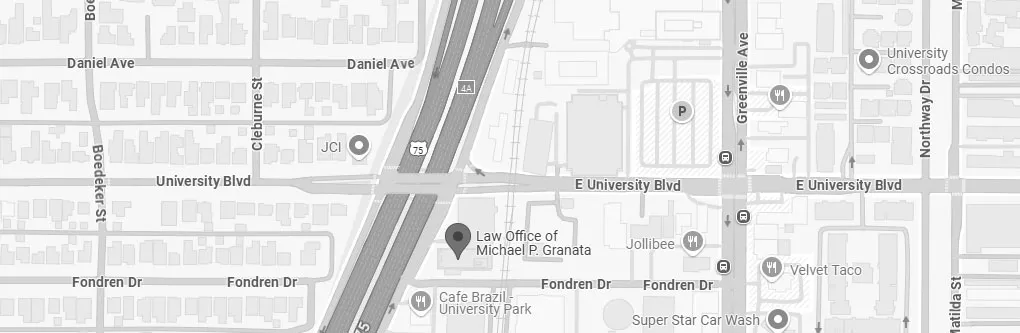
Law Office of Michael P. Granata
6440 N. Central Expressway, Suite 450, Dallas, Texas 75206
Phone: (214) 977-9050
Visit our blog for more insights on Texas family law, or schedule a consultation to discuss your case. We’re here to provide the strategic, compassionate representation you need during this important transition.
Read Dallas divorce attorney reviews to learn about our clients’ experiences, or learn more about Dallas family law attorney qualifications and our approach to family law representation.