A comprehensive guide from an experienced Dallas divorce attorney on what makes a Texas prenup valid, when courts throw them out, and how to protect your rights.
Facing Divorce with a Prenuptial Agreement? You Are Not Alone
If you are going through a divorce and wondering whether the prenuptial agreement you signed years ago will actually hold up in a Texas courtroom, you are dealing with one of the most stressful and confusing aspects of the entire process. Divorce is already an emotionally draining experience. Adding uncertainty about a legal document that could dramatically affect your financial future only deepens that anxiety.
You deserve clear answers and honest guidance — not vague reassurances. As a Dallas divorce attorney with more than 25 years of experience in Texas family law, I have helped hundreds of clients navigate the complexities of prenuptial agreement enforcement. Some prenups hold up perfectly. Others collapse under legal scrutiny. The difference almost always comes down to how the agreement was created and whether it meets the specific requirements Texas law demands.
This article will walk you through everything you need to know about prenuptial agreement enforceability in Texas, including the legal standards courts apply, the most common reasons prenups get thrown out, and what steps you should take right now to protect yourself. Whether you signed a prenup or are considering challenging one, understanding the law is the first step toward making informed decisions about your future.
What Is a Prenuptial Agreement Under Texas Law?
A prenuptial agreement — sometimes called a premarital agreement or simply a “prenup” — is a legally binding contract between two people who plan to marry. It establishes how certain financial matters will be handled in the event of divorce, death, or separation. In Texas, prenuptial agreements are governed by Chapter 4 of the Texas Family Code, which adopted a version of the Uniform Premarital Agreement Act (UPAA).
Prenuptial agreements can address a wide range of financial issues, including the division of property and debts, spousal support (alimony) obligations, management and control of marital property, the characterization of assets as separate or community property, and rights to life insurance proceeds or retirement benefits.
A well-drafted prenup provides clarity and predictability for both spouses. However, these agreements are not unlimited in scope. Texas law prohibits prenuptial agreements from addressing child custody or child support obligations. Courts always retain the authority to determine what is in the best interest of the children, regardless of any agreement between the parents. If you have questions about custody or support matters, consulting a child custody lawyer in Dallas or a Dallas child support attorney is essential.
Are Prenuptial Agreements Enforceable in Texas?
The short answer is yes — Texas courts generally enforce prenuptial agreements, provided they meet certain legal requirements. Texas is actually considered a state that is relatively favorable toward prenuptial agreement enforcement. Courts here start from the presumption that a properly executed prenup is valid.
However, that presumption is not absolute. A prenuptial agreement can be challenged and potentially invalidated if the spouse seeking to enforce it cannot demonstrate that the agreement was executed properly, or if the challenging spouse can prove that certain legal defenses apply. Understanding these requirements is critical whether you are trying to enforce or challenge a prenup during divorce proceedings.
The Legal Standard: Texas Family Code Section 4.006
Under Section 4.006 of the Texas Family Code, a prenuptial agreement is not enforceable if the challenging party proves that they did not sign the agreement voluntarily, or that the agreement was unconscionable when it was signed and they were not provided a fair and reasonable disclosure of the other party’s property and financial obligations. Let’s break down each of these elements.
Five Key Requirements That Make a Texas Prenup Enforceable
Texas courts evaluate several factors when determining whether a prenuptial agreement should be enforced. If you are considering hiring the best divorce lawyer in Dallas to review your prenup, here are the five critical requirements that matter most:
- The Agreement Must Be in Writing and Signed by Both Parties
Texas law requires prenuptial agreements to be written and signed by both parties. Oral prenuptial agreements are not enforceable. While notarization is not strictly required under the statute, having the agreement notarized provides additional evidence of authenticity and voluntary execution.
- Both Parties Must Sign Voluntarily: Voluntariness is one of the most frequently litigated issues in prenup disputes. The agreement cannot be the product of coercion, duress, fraud, or undue influence. Courts will look at the totality of circumstances, including when the agreement was presented (a prenup sprung on someone the night before the wedding raises serious red flags), whether both parties had adequate time to review it, whether both parties were represented by independent legal counsel, and the overall bargaining positions of the parties.
- Full and Fair Financial Disclosure: Each party must provide a fair and reasonable disclosure of their property, assets, and financial obligations. Hiding assets, undervaluing property, or failing to disclose significant debts can render the entire agreement unenforceable. This is why working with an experienced family law attorney serving Dallas during the prenup process is so critical.
- The Agreement Cannot Be Unconscionable: Unconscionability is a legal standard that means the agreement is so one-sided and unfair that no reasonable person would have agreed to it. Texas courts evaluate unconscionability at the time the agreement was signed, not at the time of divorce. An agreement that heavily favors one spouse while leaving the other with virtually nothing may be found unconscionable, particularly if it was paired with inadequate financial disclosure.
- Both Parties Should Have Independent Legal Representation: While Texas law does not strictly require both parties to have their own attorney, the absence of independent counsel for one party is a significant factor courts consider when evaluating voluntariness and fairness. Courts are more likely to enforce a prenup when both parties had their own lawyer review and explain the agreement before signing.
Common Reasons Texas Courts Invalidate Prenuptial Agreements
Even in a state that favors prenuptial agreement enforcement, courts regularly find reasons to invalidate these agreements. Whether you are pursuing an uncontested divorce attorney in Dallas approach or preparing for a contested divorce in Dallas, understanding these common challenges is essential.
Lack of Voluntariness and Coercion
If one spouse can demonstrate that they were pressured, threatened, or manipulated into signing the prenup, the court may invalidate it. Common scenarios include presenting the agreement just days or hours before the wedding, threatening to cancel the wedding if the other party does not sign, taking advantage of a language barrier or limited education, and emotional manipulation during a vulnerable period.
Failure to Disclose Assets and Debts
Transparency is the backbone of an enforceable prenup. If one spouse concealed significant assets or liabilities, the court may throw out the entire agreement. This is particularly relevant in high net worth divorce cases involving complex asset portfolios, business interests, or investment holdings.
Unconscionable Terms
A prenup that leaves one spouse destitute while the other retains all marital wealth is unlikely to survive judicial review. Courts look at whether the agreement was so lopsided that enforcing it would be fundamentally unfair, considering the circumstances at the time of signing.
Improper Execution
Technical deficiencies can also doom a prenup. Missing signatures, failure to have the agreement in writing, or ambiguous language that makes the terms unclear can all provide grounds for invalidation.
How Prenuptial Agreements Affect Spousal Support in Texas
One of the most significant provisions in many prenuptial agreements involves spousal maintenance (alimony). Texas law allows couples to agree to terms regarding spousal support in their prenup, including waiving it entirely. However, there are important limitations.
Under Section 4.006(b) of the Texas Family Code, if a provision in a prenuptial agreement modifying or eliminating spousal support causes one spouse to become eligible for public assistance at the time of divorce, a court may require the other spouse to provide support to the extent necessary to avoid that eligibility, regardless of what the prenup says.
This means that even a clearly written prenup that waives spousal support may be partially overridden if enforcing it would leave one spouse unable to meet basic needs. This is an area where having a knowledgeable Dallas divorce attorney review your specific situation is invaluable.
Prenuptial Agreements and Property Division in a Texas Divorce
Texas is a community property state, meaning that in the absence of a prenuptial agreement, most property acquired during the marriage is presumed to belong to both spouses equally. A prenup can change this default rule by designating specific assets as separate property, establishing how community property will be divided, addressing business ownership interests, and determining how investment accounts and retirement funds will be treated.
The enforceability of property division provisions depends on the same factors discussed above: voluntariness, adequate disclosure, and absence of unconscionability. Complex property division issues often arise in high-asset divorces and may require forensic accounting or business valuation expertise. An experienced family law attorney serving Dallas can help you navigate these complexities.
What to Do If You Have a Prenup and Are Facing Divorce
If you signed a prenuptial agreement and are now facing divorce, taking the right steps early can significantly affect the outcome of your case. Here is what an experienced Dallas divorce lawyer would recommend:
Step 1: Locate the Original Agreement
Find the original signed copy of your prenuptial agreement, along with any related documents such as financial disclosure statements, correspondence between attorneys, or amendments. These documents will be essential for your legal team to evaluate enforceability.
Step 2: Schedule a Dallas Divorce Lawyer Consultation
Do not attempt to interpret the agreement on your own. Prenuptial agreement law is nuanced and fact-specific. A consultation with an experienced attorney will give you a realistic assessment of whether your prenup is likely to be enforced, challenged, or partially invalidated.
Step 3: Gather Financial Documentation
Collect all relevant financial records, including bank statements, tax returns, property records, business records, and investment account statements. This documentation will be critical for evaluating whether adequate financial disclosure was provided when the prenup was signed.
Step 4: Understand Your Rights — Regardless of the Prenup
Even if you signed a prenup, you may still have rights to certain property, support, or protections under Texas law. An experienced attorney can identify areas where the prenup may be vulnerable to challenge and help you understand the full range of options available to you. This applies equally to fathers’ rights divorce Dallas cases and mothers’ rights divorce Dallas situations, where parental protections exist independently of any prenuptial agreement.
Can You Modify or Revoke a Prenuptial Agreement After Marriage?
Yes. Under Section 4.005 of the Texas Family Code, a prenuptial agreement may be amended or revoked after marriage, but only by a written agreement signed by both spouses. Oral agreements to modify or revoke a prenup are not enforceable. Couples sometimes execute postnuptial agreements to update or replace an existing prenup as their financial circumstances change over time.
Frequently Asked Questions About Prenuptial Agreements in Texas
The following answers address some of the most common questions people ask when facing divorce with a prenuptial agreement in Texas.
Can a Prenup Be Thrown Out in Texas?
Yes. A Texas court can invalidate a prenuptial agreement if it was signed involuntarily, if there was inadequate financial disclosure, or if the terms were unconscionable at the time of signing. Working with an affordable divorce lawyer in Dallas who has specific experience with prenuptial agreement disputes can help you determine whether grounds for invalidation exist in your case.
Does a Prenup Override Community Property Laws in Texas?
A valid and enforceable prenuptial agreement can modify or override Texas community property rules. Couples can agree to treat community property as separate property or establish their own division terms. However, these provisions must meet the same enforceability standards as the rest of the agreement.
How Long Before the Wedding Should a Prenup Be Signed?
Texas law does not specify a mandatory waiting period, but best practices suggest the agreement should be signed at least 30 days before the wedding. Agreements signed very close to the wedding date are more vulnerable to claims of coercion or duress. The more time both parties have to review the agreement with independent counsel, the stronger the presumption of voluntariness.
What Happens If My Spouse Hid Assets When We Signed the Prenup?
If your spouse failed to disclose significant assets or debts at the time the prenup was signed, this can be grounds for invalidating the agreement. The concealment undermines the requirement of fair and reasonable financial disclosure. Forensic accounting may be necessary to uncover hidden assets and build a case for invalidation.
Can a Prenup Address Child Custody or Child Support?
No. Texas law does not allow prenuptial agreements to determine child custody arrangements or child support obligations. These matters are always decided based on the best interest of the child at the time of divorce. If you have concerns about custody or support, speaking with a child custody lawyer in Dallas or a Dallas child support attorney is the best course of action.
Do Both Spouses Need Separate Lawyers for a Prenup to Be Valid?
While Texas does not legally require both parties to have separate attorneys, the absence of independent legal counsel is a factor courts consider when evaluating whether the agreement was entered into voluntarily and with full understanding. Having separate lawyers significantly strengthens the enforceability of the agreement.
What Are the Dallas Family Law Attorney Qualifications I Should Look For?
When selecting an attorney to handle a prenuptial agreement dispute, look for a lawyer with extensive experience in Texas family law, specific experience litigating prenup enforceability, a track record with Dallas-area family courts, transparent communication about fees and strategy, and positive Dallas divorce attorney reviews from former clients. An attorney who provides honest case assessments — rather than inflated promises — is far more likely to serve your interests effectively.
Why Choose the Law Office of Michael P. Granata for Your Prenup Dispute?
When you are facing a divorce that involves a prenuptial agreement, you need an attorney who will give you the truth about your case — not just what you want to hear. At the Law Office of Michael P. Granata, our approach is built on honest communication over empty reassurances, realistic assessments rather than undeliverable inflated promises, genuine care for your interests with transparent guidance about outcomes, and the goal of helping you make informed decisions based on facts — not false hope.
With more than 25 years of focused Texas family law experience, our small team practice delivers personalized attention that larger firms simply cannot match. We offer transparent pricing so you always know what to expect, and we take the time to give you a clear and concise explanation of your legal options.
We are compassionate in our approach, but we are also strategic, committed, and tough when court proceedings become necessary. We do not believe in placating, pandering, or false client appeasement. We believe you deserve an attorney who respects you enough to be honest about the strengths and weaknesses of your case. Read our blog for more insights into Texas family law issues.
Serving Dallas and Surrounding Communities
Our Dallas divorce law firm proudly serves clients throughout Dallas County and the surrounding area. We understand that divorce proceedings often involve local court systems, and our extensive experience in Dallas-area family courts gives our clients a distinct advantage. Whether you need a Dallas area divorce lawyer, a family attorney serving Garland, or representation in Richardson, Irving, or any neighboring community, we are here to help.
Primary Service Areas
- Dallas
- Garland
- Richardson
- Mesquite
- Irving
- DeSoto
- Grand Prairie
- Seagoville
- Duncanville
Key Services We Provide
- Divorce (contested and uncontested)
- Child Custody and Visitation
- Child Support Establishment and Modification
- Asset Division and Complex Property Disputes
- Spousal Support and Maintenance
- Prenuptial and Postnuptial Agreement Review
- Mediation and Alternative Dispute Resolution
Contact Our Office
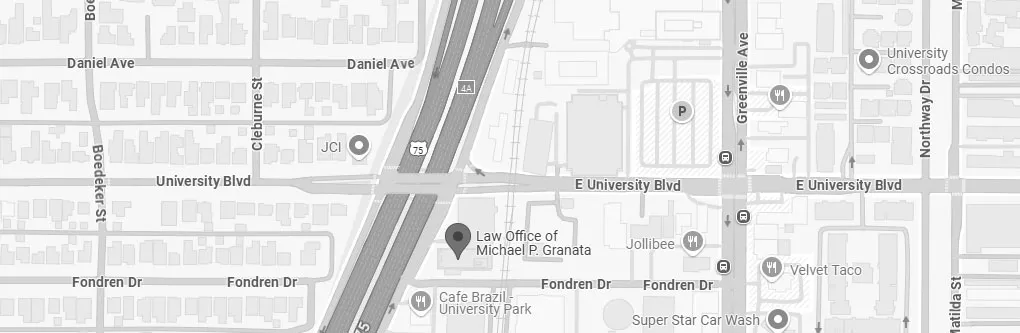
Law Office of Michael P. Granata
6440 N. Central Expressway, Suite 450
Dallas, Texas 75206
Phone: (214) 977-9050
Website: www.dallasdivorcelawyer.com
Schedule Your Consultation Today
If you are facing a divorce and have questions about whether your prenuptial agreement is enforceable, do not wait to get answers. The earlier you consult with an experienced Dallas divorce attorney, the better positioned you will be to protect your rights and your financial future.
Call the Law Office of Michael P. Granata at (214) 977-9050 or visit our website to schedule a consultation. We will give you an honest assessment of your case, explain your options clearly, and help you make the informed decisions that will shape your future. You deserve an attorney who tells you the truth and fights for your interests — and that is exactly what we provide.
Disclaimer: This article is intended for informational purposes only and does not constitute legal advice. Every case is unique, and the enforceability of a prenuptial agreement depends on the specific facts and circumstances involved. For personalized legal guidance, please contact our office to schedule a consultation.