Family structures in America have evolved dramatically over the past few decades. While Texas law—and most state law nationwide—remains rooted in traditional definitions of marriage and family, a growing number of families don’t fit neatly into these conventional frameworks. Polyamorous relationships, where multiple adults form committed romantic partnerships with mutual consent, represent one such evolution.
If you’re part of a polyamorous family facing legal challenges involving child custody, property rights, or relationship dissolution, you’re navigating largely uncharted legal territory. The reality is that family courts in Dallas and across Texas are gradually confronting these situations, though the law hasn’t caught up with social reality. As a Dallas divorce attorney with over 25 years of experience, I’ve witnessed firsthand how courts struggle—and sometimes fail—to apply traditional legal frameworks to non-traditional family arrangements.
This isn’t about judgment. It’s about understanding the legal landscape as it exists today and preparing yourself for the challenges ahead. Whether you’re seeking custody arrangements that reflect your actual family structure or trying to protect property interests when multiple adults have contributed to a household, you need realistic guidance grounded in how Texas courts actually operate—not how we wish they would.
Understanding Polyamory in the Legal Context
Before addressing specific legal issues, it’s important to define what we’re discussing. Polyamory refers to consensual, ethical non-monogamy where individuals maintain multiple romantic relationships simultaneously, with the knowledge and consent of everyone involved. This differs fundamentally from polygamy (multiple legal marriages, which is illegal) and from infidelity (which involves deception).
The key characteristics of polyamorous relationships typically include:
- Informed consent from all parties involved
- Transparency and honest communication
- Varying relationship configurations (triads, quads, polycules, etc.)
- Diverse approaches to cohabitation, child-rearing, and financial arrangements
From a legal standpoint, however, these nuances matter less than you might hope. Texas law recognizes only monogamous marriage. Everything else falls into a legal gray area—or worse, into territory where traditional legal doctrines simply don’t apply. When seeking representation from a Dallas divorce lawyer, understanding this disconnect between your lived reality and legal recognition is crucial.
Child Custody When Multiple Adults Are Involved
Child custody presents perhaps the most emotionally fraught legal challenge for polyamorous families. Texas courts decide custody matters based on “the best interest of the child”—a standard that gives judges considerable discretion. When multiple adults have participated in raising a child, determining custody becomes exponentially more complex.
Legal Parentage: Who Has Standing?
In Texas, legal parentage is narrowly defined. Generally, only biological parents, adoptive parents, or those who have established parentage through a court order have automatic legal rights to a child. A child custody lawyer in Dallas will tell you that “standing”—the legal right to even petition the court for custody or visitation—is the first hurdle.
Consider this scenario: A child is born to a married couple who are also in a committed relationship with a third partner. That third partner may have lived with the child since birth, provided financial support, participated in daily caregiving, and formed a profound parental bond. If the relationship dissolves, that partner typically has no legal standing to seek custody or even visitation rights.
Texas does recognize limited exceptions through the concept of “in loco parentis”—acting in place of a parent—but these exceptions are narrow and difficult to establish. A non-biological, non-adoptive parent must demonstrate:
- They had actual care, control, and possession of the child
- The biological or adoptive parents affirmatively relinquished care to them
- This arrangement lasted for at least six months
- The relationship ended within 90 days of filing suit
These requirements are strict, and courts interpret them conservatively. Even meeting these criteria doesn’t guarantee parental rights—it only gives you standing to ask the court to consider your petition.
How Courts Apply the “Best Interest” Standard to Non-Traditional Families
When a Dallas family law attorney brings a custody case involving polyamorous families, judges must apply the “best interest of the child” standard outlined in Texas Family Code Section 153.002. This includes factors like:
- The child’s physical and emotional needs
- Potential physical or emotional danger to the child
- The parenting abilities of the individuals seeking custody
- Available support systems and stability
- Plans for the child’s care and development
Here’s where things get complicated. While courts aren’t supposed to discriminate based on lifestyle choices, the reality is more nuanced. Judges are human beings with their own values and perspectives. In conservative Dallas County family courts, a polyamorous family structure may raise concerns—stated or unstated—about stability, moral environment, or potential confusion for the child.
I won’t sugarcoat this: you may face bias. A judge who views polyamory as inherently unstable or morally questionable might weigh factors differently than they would for a traditional family. This doesn’t mean you’ll automatically lose custody, but it does mean you need to be exceptionally prepared to demonstrate stability, consistency, and clear parenting structures.
Practical Strategies for Custody Cases in Polyamorous Families
If you’re facing a custody dispute, whether in a contested divorce in Dallas or other custody proceeding, consider these approaches:
Document the parenting structure clearly:
Create detailed records showing who provides what aspects of care, who makes decisions about education and healthcare, and how responsibilities are divided. Courts appreciate clarity and evidence of thoughtful planning.
Emphasize stability and consistency:
Show that your family structure provides consistent routines, stable housing, regular school attendance, and ongoing relationships with teachers, doctors, and community members. Address head-on any suggestion that multiple parental figures create confusion or instability.
Focus on the child’s actual experience:
What matters is whether the child is thriving. Present evidence of strong academic performance, healthy peer relationships, participation in activities, and emotional wellbeing. Testimony from teachers, counselors, or therapists can be powerful.
Consider professional evaluations:
In high-conflict cases, a court-appointed custody evaluator or guardian ad litem may be involved. Be prepared to present your family structure honestly and comprehensively, focusing on the quality of care and attachment the child has to each adult.
Explore contractual solutions when possible:
For adults without legal standing, consider whether the legal parents might be willing to establish custody or visitation through agreed orders or mediated settlement agreements. While not guaranteed to be enforceable, these agreements can provide a framework and demonstrate everyone’s commitment to the child’s wellbeing.
Property Rights in Non-Traditional Relationships
When romantic relationships involve more than two people, property rights become remarkably complex. Texas is a community property state for married couples, meaning assets acquired during marriage are generally owned equally by both spouses. But what happens when three or more adults share a household, contribute to mortgage payments, or invest in property together?
No Community Property Rights Outside Marriage
First, understand this fundamental limitation: community property laws only apply to married couples. If you’re in a polyamorous relationship that includes one married couple and one or more additional partners, only the married couple has community property rights. Everyone else is treated as a legal stranger to the marriage—even if they’ve lived together for years and contributed equally to the household.
This creates significant vulnerability. Consider a common scenario: Three adults—two of whom are married—purchase a home together. All three contribute to the down payment and monthly mortgage payments. All three maintain the property and make improvements. If the relationship ends, the unmarried partner may have no claim to the property’s appreciation in value, even though they contributed financially and otherwise.
Working with a high net worth divorce attorney in Dallas becomes critical in these situations, particularly when substantial assets are involved.
Title, Ownership, and Contribution: What Matters?
In property disputes involving polyamorous relationships, several legal doctrines might apply:
Title controls ownership:
Texas is a “title theory” state for real property. If your name isn’t on the deed, you generally don’t own the property, regardless of your financial contributions. This is why documenting ownership interests from the outset is crucial.
Partnership or joint venture claims:
If multiple people pool resources for a common enterprise, courts might recognize an implied partnership or joint venture. This requires showing a mutual agreement (express or implied) to share profits and losses, joint control, and combined efforts toward a common goal. The burden of proof is substantial.
Constructive trust or unjust enrichment:
In extreme cases where one party has been unjustly enriched at another’s expense—particularly involving fraud, undue influence, or breach of fiduciary duty—courts may impose a constructive trust. However, this is an exceptional remedy, not a routine solution for relationship breakups.
Partition actions:
If multiple people are listed as co-owners on a deed, any co-owner can file a partition action to force the sale of the property and division of proceeds. This is often the only recourse when co-owners can’t agree on disposition of jointly-held property.
Financial Support Obligations Between Partners
Unlike married couples, unmarried partners—including those in polyamorous relationships—generally have no legal obligation to provide financial support to each other after separation. A spousal support lawyer in Dallas handles alimony claims for divorcing spouses, but there’s no equivalent for non-married partners.
This can create severe hardship. If one partner gave up career opportunities to care for children or support the household, they may find themselves without income, property rights, or support obligations when the relationship ends. Texas courts won’t step in to remedy this inequity the way they would in a divorce.
The only recourse may be contractual. Written agreements establishing support obligations, property division terms, or other financial arrangements can be enforceable—though they must be carefully drafted to avoid allegations that they constitute contracts “in consideration of” sexual relationships, which are void under Texas law.
Protecting Your Property Interests: Preventive Measures
Given the legal challenges, polyamorous families should take proactive steps to protect property interests:
- Document ownership clearly: Ensure all contributors to a major purchase are listed on the title or deed. For assets where this isn’t possible, create written agreements documenting contributions and ownership percentages.
- Create comprehensive cohabitation agreements: These contracts should address property ownership, division of expenses, procedures for acquiring and disposing of assets, and what happens if the relationship ends. Work with an experienced attorney to ensure enforceability.
- Keep detailed financial records: Track who contributes what to joint expenses, property improvements, and major purchases. In disputes, evidence is everything.
- Consider forming legal entities: Depending on your situation, creating an LLC or other business entity to hold property might provide clearer ownership structures and liability protection.
- Review beneficiary designations and estate planning: Retirement accounts, life insurance, and wills don’t automatically account for polyamorous relationships. Explicitly designate beneficiaries and create estate plans that reflect your actual intentions.
- Update documents regularly: As relationships evolve, ensure your legal documents keep pace. Annual reviews of agreements and ownership structures can prevent future disputes.
How Courts Are Adapting (or Failing to Adapt)
The legal system’s response to polyamorous families has been inconsistent at best. Some jurisdictions have begun recognizing the reality of diverse family structures, while others cling firmly to traditional frameworks. Understanding where Texas and Dallas County courts fall on this spectrum is essential for anyone navigating these legal waters.
National Legal Trends and Developments
A few progressive jurisdictions have taken steps toward recognizing non-traditional families. Somerville, Massachusetts, and several California cities now allow “domestic partnerships” involving more than two people. These partnerships don’t carry the full legal weight of marriage, but they do provide some recognition and limited benefits.
Some state courts have also expanded custody and visitation rights for non-biological parents in same-sex couples, applying doctrines like “de facto parentage” or “psychological parentage.” While these cases don’t directly address polyamory, they establish precedents that could theoretically extend to multi-parent families—if courts are willing to make that leap.
The American Law Institute’s Principles of the Law of Family Dissolution recognized that adults who function as parents may deserve legal recognition even without biological or adoptive ties. Some jurisdictions have adopted this approach, though implementation varies widely.
The Texas Approach: Conservative and Cautious
Texas has not followed these progressive trends. Our family law remains firmly grounded in traditional marriage and nuclear family structures. While courts can’t explicitly discriminate based on relationship status, they’re not required to extend protections or recognize rights beyond what statute and precedent demand.
In Dallas County specifically, family court judges vary in their approaches. Some are relatively open to creative solutions that serve children’s best interests, even in non-traditional families. Others are skeptical of arrangements that deviate from conventional norms. Your best divorce lawyer in Dallas should know the tendencies of individual judges and which courts might be more receptive to your specific situation.
That said, Texas courts have shown some willingness to adapt traditional doctrines when faced with compelling facts. Cases involving step-parents, grandparents, and other non-parent caregivers have occasionally resulted in custody or visitation rights when denying them would clearly harm the child. These precedents might—might—provide avenues for arguing similar rights in polyamorous family situations.
Barriers to Legal Recognition and Reform
Several factors impede legal recognition of polyamorous families:
Moral and religious objections:
Many Texans view marriage and family through religious lenses that don’t accommodate polyamory. Legislators and judges may share these views, creating institutional resistance to change.
Complexity of multi-partner legal frameworks:
Our entire legal system is built around two-person relationships. Extending community property, inheritance rights, medical decision-making, and custody laws to three or more people isn’t just politically fraught—it’s genuinely complicated. Who makes medical decisions if three parents disagree? How do you calculate child support obligations among three or four parents? These aren’t trivial questions.
Lack of political advocacy:
The movement for polyamorous family rights lacks the organization, resources, and political power that drove marriage equality forward. Without sustained advocacy, legislative change seems unlikely in the near term.
Concerns about children’s welfare:
Rightly or wrongly, some policymakers worry that recognizing polyamorous families could expose children to unstable environments or confusing parental structures. While research on polyamorous families is limited, the precautionary principle tends to favor maintaining status quo legal frameworks.
Practical Adaptation Strategies for Your Case
Given legal limitations, how do you protect your family’s interests? The answer involves working within existing frameworks while pushing—carefully and strategically—at their boundaries.
Frame your case using recognized legal concepts:
Rather than asking courts to recognize “polyamorous rights” (which don’t legally exist), frame requests in terms of established doctrines: best interest of the child, in loco parentis, unjust enrichment, partnership law, contract enforcement. This requires translating your family’s reality into legal language courts understand.
Emphasize stability and child welfare:
In custody cases, focus relentlessly on concrete evidence of stability, consistency, and the child’s wellbeing. Make the case that your family structure supports—rather than undermines—these values.
Use private agreements where courts won’t act:
When legal remedies aren’t available, consider whether consensual agreements among all parties might accomplish your goals. While not always enforceable, they can provide frameworks for cooperation and potentially be incorporated into mediated settlements.
Prepare for an uphill battle:
Honestly assess your chances. Some fights are worth pursuing even with long odds. Others may not be. A Dallas divorce lawyer consultation can help you evaluate the realistic prospects of success and weigh the costs—financial and emotional—against potential gains.
Why This Work Requires Experienced Legal Representation
Legal issues involving polyamorous families aren’t standard divorce or custody cases. They require attorneys who can think creatively, work across multiple areas of law, and aren’t afraid to make novel arguments when the situation demands it. At the Law Office of Michael P. Granata, we’ve spent over 25 years handling complex family law matters that don’t fit neatly into conventional categories.
We won’t promise you outcomes we can’t deliver. Texas law has real limitations, and pretending otherwise does you no favors. What we can promise is:
- Honest assessment: We’ll tell you what’s realistically achievable given current law and the specific facts of your case. If your goals aren’t attainable through legal action, we’ll tell you that too—and explore what alternatives might exist.
- Strategic thinking: We know how to frame arguments using established legal principles while pushing at their edges where appropriate. We understand which Dallas County judges might be receptive to creative approaches and which require more conventional strategies.
- Comprehensive preparation: These cases require meticulous documentation and compelling evidence. We’ll help you gather and present the strongest possible case, whether that involves custody evaluations, financial records, or witness testimony.
- Judgment-free representation: Your family structure is your choice. Our job is to protect your legal interests, not to judge your life decisions. We approach every case with professionalism and respect for our clients’ autonomy.
- Transparent communication: We explain your options clearly, discuss the costs and benefits of different approaches, and keep you informed throughout the process. No legal jargon, no false reassurances—just honest, direct communication.
Frequently Asked Questions About Polyamorous Families and Texas Law
Can three or more people be legally married in Texas?
No. Texas law only recognizes marriage between two people. Polygamy (multiple simultaneous legal marriages) remains illegal. While polyamorous relationships themselves aren’t illegal, they don’t receive any legal recognition equivalent to marriage.
Will a judge discriminate against me in a custody case because I’m in a polyamorous relationship?
Legally, judges aren’t supposed to discriminate based on lifestyle choices unless they directly harm the child. Realistically, some judges may view polyamorous relationships skeptically. Success depends on demonstrating that your family structure provides stability, consistency, and a healthy environment for your child. Working with an experienced child custody lawyer in Dallas who understands local courts is crucial.
Can my non-biological, non-adoptive partner get custody or visitation rights if we separate?
It’s difficult but not impossible. Your partner would need to establish legal standing, likely through showing they acted in loco parentis (in place of a parent). This requires proving they had actual care and control of the child with the biological parents’ consent for at least six months. Even with standing, winning custody or visitation isn’t guaranteed—the court must still find it in the child’s best interest.
If my polyamorous partners and I own property together, how is it divided if we separate?
Division depends on how ownership was structured. If all parties are listed on the title/deed, you’re co-owners who may need to pursue a partition action. If only some people are listed as owners, others may have claims based on partnership law, unjust enrichment, or contract—but these are harder to prove. A Dallas family law attorney can help evaluate your specific situation.
Are cohabitation agreements enforceable for polyamorous families?
Generally yes, if properly drafted. Agreements addressing property division, financial responsibilities, and other practical matters can be enforceable contracts. However, they must be carefully written to avoid being construed as contracts “in consideration of” sexual relationships (which are void) and must comply with general contract law principles. Work with an attorney experienced in drafting these agreements.
Can a child have more than two legal parents in Texas?
Texas law traditionally recognizes only two legal parents—typically the biological or adoptive mother and father. Recent cases involving same-sex couples have created some flexibility, but there’s no clear path to establishing three or more legal parents simultaneously. This is an evolving area of law where outcomes depend heavily on specific facts and judicial interpretation.
Will being in a polyamorous relationship affect my chances in an uncontested divorce?
If you’re pursuing an uncontested divorce attorney in Dallas, your current relationship status typically matters less since you and your spouse have already agreed to terms. However, if child custody is involved, your post-separation relationships—including polyamorous ones—could become relevant to best interest determinations. Full disclosure to your attorney about your situation allows proper planning.
How do child support obligations work when multiple adults help raise a child?
Texas child support obligations apply only to legal parents—typically biological or adoptive parents. Adults who function as parents but lack legal status generally have no formal support obligations, even if they’ve contributed to the child’s care for years. This can create financial inequities when relationships end. A Dallas child support attorney can explain how obligations would be calculated in your specific situation.
Should I disclose my polyamorous relationships to my attorney?
Absolutely. Attorney-client privilege protects your communications, and your lawyer needs complete information to represent you effectively. Surprises during litigation can be devastating. Full disclosure allows your attorney to develop strategies that address potential issues proactively rather than reactively.
What should I look for in an attorney to handle my polyamorous family law case?
Seek an attorney with substantial family law experience who demonstrates: (1) Knowledge of custody law, property division, and alternative dispute resolution; (2) Creativity in applying traditional legal principles to non-traditional situations; (3) Familiarity with local courts and judges; (4) A non-judgmental approach to diverse family structures; (5) Honest communication about realistic outcomes. Check Dallas divorce attorney reviews and schedule consultations to find the right fit.
Are there specific Dallas family law attorney qualifications I should verify?
Verify the attorney is licensed by the State Bar of Texas and in good standing. Look for board certification in family law (a specialized credential), years of practice specifically in family law, and experience with complex custody or property cases. Ask about their familiarity with Dallas County family courts and whether they’ve handled cases involving non-traditional families. Reviewing Dallas family law attorney qualifications can help you make an informed decision.
What about fathers’ rights or mothers’ rights in polyamorous families?
Legal parents—whether mothers or fathers—have the same fundamental rights to custody and access to their children. Gender-based discrimination is prohibited, though practical biases may still exist in some contexts. For polyamorous families where one parent is in a traditional marriage and has additional partners, the legal parent’s rights remain intact regardless of their relationship structure. If you’re concerned about protecting parental rights as a father, consult with an attorney experienced in fathers rights divorce Dallas cases. Similarly, mothers navigating these issues can benefit from representation that understands mothers rights divorce Dallas perspectives.
Serving Dallas and Surrounding Communities
Our Dallas divorce law firm proudly serves clients throughout Dallas County and surrounding areas. We understand that divorce services and family law proceedings often involve local court systems, and our extensive experience in Dallas-area family courts gives our clients a distinct advantage. When you work with a divorce attorney near me who knows the local landscape, you benefit from familiarity with individual judges, court procedures, and regional legal nuances that can significantly impact your case outcome.
Primary Service Areas:
- Dallas
- Garland
- Richardson
- Mesquite
- Irving
- DeSoto
- Grand Prairie
- Seagoville
- Duncanville
Our Key Services Include:
- Divorce representation for traditional and non-traditional families
- Child custody litigation and mediation
- Child support establishment and modification
- Property division and asset protection
- Mediation and alternative dispute resolution
Why Choose the Law Office of Michael P. Granata:
- Over 25 years of family law experience: We’ve handled thousands of cases across the full spectrum of family law issues, from straightforward uncontested divorces to complex, multi-party custody disputes.
- Personalized attention from a small team: Unlike large firms where you might get passed from associate to associate, our practice ensures direct attorney involvement and consistent communication.
- Transparent pricing: We believe you deserve to understand the financial aspects of your case from the outset. We provide clear fee structures and discuss costs honestly. Whether you’re seeking an affordable divorce lawyer in Dallas or need representation for a high-stakes case, we’ll discuss options that fit your situation.
- Clear, honest communication: We don’t placate or pander. We won’t tell you what you want to hear if it’s not grounded in reality. You’ll receive straightforward explanations of your legal options, realistic assessments of likely outcomes, and honest advice about whether litigation or settlement makes more sense.
- Strategic, committed representation: We approach every case with compassion for what you’re experiencing, but we’re not afraid to be tough when court is necessary. Our goal is to protect your interests while helping you make informed decisions based on facts, not false hope.
- Genuine care for your interests: We provide transparent guidance about potential outcomes and work to achieve the best results possible within the constraints of Texas law.
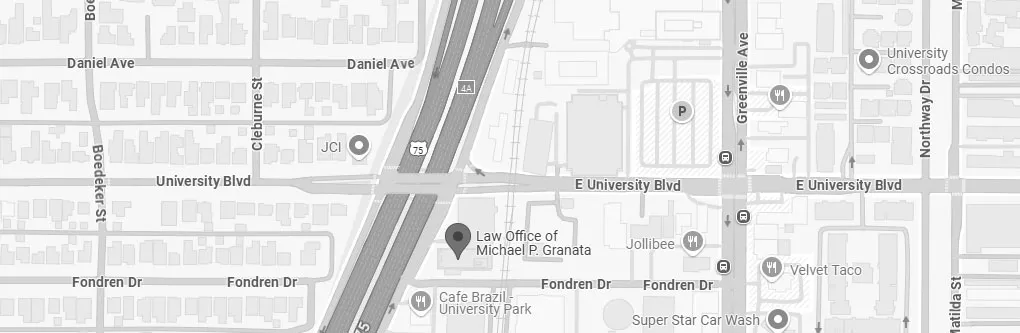
Our office is conveniently located at 6440 N. Central Expressway, Suite 450, Dallas, Texas 75206. Whether you’re in downtown Dallas, the northern suburbs like Richardson and Garland, or communities to the south and west, we’re accessible to serve your needs.
Take the Next Step: Schedule Your Consultation
Navigating family law issues as part of a polyamorous family presents unique challenges that require experienced, strategic legal representation. Whether you’re facing custody disputes, property division, or relationship dissolution, the stakes are too high to proceed without proper guidance.
At the Law Office of Michael P. Granata, we provide the honest, informed counsel you need to make sound decisions about your future. We won’t promise miracles or pretend Texas law is more accommodating than it actually is. What we will do is evaluate your specific situation, explain your realistic options, and develop a strategy designed to protect your interests within the current legal framework.
If you’re ready to discuss your case with a family law attorney serving Dallas who combines experience, strategic thinking, and genuine commitment to client interests, contact us today. Call (214) 977-9050 or visit our consultation page to schedule an appointment.
Your family deserves representation that respects your autonomy while providing clear-eyed guidance about the legal realities you face. Let’s discuss how we can help you navigate this challenging time with the professionalism, expertise, and honesty you deserve.
Law Office of Michael P. Granata
6440 N. Central Expressway, Suite 450
Dallas, Texas 75206
Phone: (214) 977-9050
For more information and resources, visit our blog for additional family law insights.