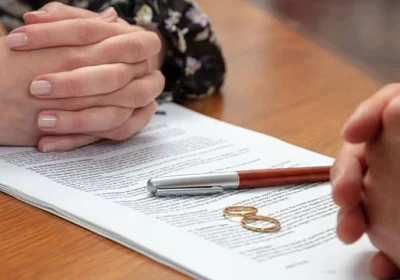
Living Together but Living Apart
You still share an address, a mortgage and maybe a calendar full of kids’ activities. But somewhere along the way, the marriage turned into a co-managed household. You sleep in separate rooms, talk mostly about logistics and feel more like housemates than partners.
If that sounds familiar, you are not alone, and you are not overreacting. A “roommate marriage” is one of the most common situations people describe when they first sit down with a Dallas divorce attorney. It is also one of the least explained.
Most articles stop at the emotional side. This one goes further. We explain what a roommate marriage means under Texas law, why it matters for your property, your children and your finances, and the single most useful thing you can start today: a dated notes file.
You do not have to decide anything about divorce right now. But you deserve to understand where you stand, so that whatever you decide is based on facts rather than fear.
What Is a Roommate Marriage?
A roommate marriage is a marriage in which both spouses still live in the same home and share household duties, but the emotional, romantic and partnership parts of the relationship have largely ended. The couple functions as co-managers of a house, not as partners in a life.
It is not a legal term. Texas courts do not use it. But it describes a real pattern, and that pattern has legal consequences.
Signs You May Be in a Roommate Marriage
- Separate sleeping arrangementsthat have become permanent rather than occasional.
- Conversations are almost entirely logistical: bills, schedules, repairs and the kids.
- Finances are running on parallel tracks, with separate accounts, separate spending and little joint planning.
- You no longer share meals, holidays or friendsin any meaningful way.
- Physical affection has stoppedand neither spouse expects it to return.
- One or both of you has said the word “divorce”but nothing has been filed.
- You are staying “for the kids” or “for the money”, and both of you know it.
Three or more of these, sustained over months, usually means the marriage has changed in a way that will not reverse on its own. Some couples rebuild through counseling. Others decide to divorce. Either way, the legal clock does not stop while you decide.
Why a Roommate Marriage Matters Under Texas Law
Many people assume that “checking out” of a marriage changes their legal status. In Texas, it does not. Here is what stays the same while you live as roommates.
Texas Has No Legal Separation
Texas does not offer a legal separation decree. You are fully married until a judge signs a final decree of divorce. There is no in-between status that freezes your rights.
Community Property Keeps Growing
Texas is a community property state. Property either spouse acquires during the marriage is presumed to be community property. That includes paychecks, bonuses, 401(k) contributions and new debt incurred during your roommate years. Five years of living separately under one roof can mean five years of shared assets and shared liabilities.
“Living Apart” Probably Does Not Apply
Texas Family Code § 6.006 allows a divorce when spouses have lived apart without cohabitation for at least three years. Sharing a home, even in separate bedrooms, generally makes that ground hard to use. Most Texas divorces instead proceed on insupportability under § 6.001, the no-fault ground. Fault grounds such as cruelty or adultery can still matter, because a judge may consider fault when dividing the community estate.
The Basic Filing Rules
- At least one spouse must have lived in Texas for six months and in Dallas County for 90 days before filing.
- Texas requires a 60-day waiting period after filing before a divorce can be finalized, with limited exceptions.
- You can file while still living in the same house. Many couples do.
The point is simple. The years you spend as roommates are legally married years. They count toward property, debt and, in some cases, spousal support eligibility. That is why careful records matter.
The Practical Step: Start a Dated Notes File Today
A dated notes file is a private, running record of facts about your household, finances and parenting, with each entry tied to a specific date. It is the most useful thing you can do before speaking with a lawyer, and it costs nothing.
Memory fades and blurs under stress. Months from now, you may need to show who handled the children’s school mornings, when a large withdrawal happened or when your spouse said they were moving out. A dated record turns “I think it was sometime last spring” into “March 14.”
What to Record
- Living arrangements.When separate bedrooms began, who moved where and any changes since.
- Parenting duties.School drop-offs, doctor visits, homework, bedtime, activities and who attended parent-teacher conferences.
- Large purchases, unexplained withdrawals, new credit cards, changes in who pays which bills and any transfers out of joint accounts.
- Important statements.Write down exact words when your spouse discusses divorce, moving out, money or the children. Use quotation marks only for words you are sure of.
- Work and income changes.New jobs, bonuses, layoffs or sudden drops in reported income.
- Efforts to repair the marriage.Counseling dates, proposals and responses.
- Safety concerns.Any threats, intimidation or incidents involving the children. If you are in danger, call 911 first and write later.
A Simple Entry Format
| Date | Category | What happened (facts only) | Supporting record |
| 2026-11-02 | Parenting | I took both kids to the pediatrician; spouse declined to come. | Clinic visit summary |
| 2026-11-09 | Money | $4,000 moved from joint savings to an account I don’t recognize. | Bank statement, Nov. |
| 2026-11-15 | Statement | Spouse said, “I’m done. I’ll move out after the holidays.” | None |
How to Keep It
- Write the same day.Entries made close to the event carry more weight.
- Stick to facts, not feelings.Describe what happened, not what you think it means.
- Never rewrite old entries.If you need to correct something, add a new dated entry.
- Store it where only you can reach it.Avoid shared family computers, shared cloud accounts and work email. Your employer may have access to work devices.
- Write as if a judge will read it.Your notes may be requested in discovery. Calm, accurate entries help you. Angry ones can hurt you.
- Share it with your lawyer, not your friends or children.Once you hire counsel, your communications with your attorney are generally privileged. Conversations with friends are not.
What Not to Do
A notes file records what you see and do. It does not give you permission to investigate your spouse. Texas law makes it a crime to intercept communications you are not part of or to access someone’s stored messages without authorization. Recording a conversation you participate in is generally lawful because Texas is a one-party consent state. But reading your spouse’s email, installing tracking apps or recording calls you are not on can create criminal and civil liability. It can also make the evidence unusable.
Also avoid moving money, hiding assets, posting about your marriage on social media or asking your children to take sides. Each of these can damage your case far more than it helps.
How a Roommate Marriage Affects Custody, Support and Property
Child Custody: Your Daily Role Is Evidence
Texas courts decide custody, called conservatorship, based on the best interest of the child. Judges look closely at who has actually been doing the parenting. In a roommate marriage, both parents are often present, so the details decide the outcome.
This is where your notes file earns its value. A record of school pickups, medical visits and bedtime routines shows a court your real involvement. Working with an experienced child custody lawyer in Dallas helps you present that history clearly.
Fathers’ Rights and Mothers’ Rights in a Dallas Divorce
Texas law does not favor mothers or fathers based on gender. Fathers who have been hands-on should not assume they will get less time. Mothers who have carried most of the daily load should not assume the court already knows it. In both cases, documentation of who did what, and when, speaks louder than assumptions.
Child Support: Income Is the Starting Point
Texas child support guidelines are based on the paying parent’s net resources and the number of children. Changes in income during a roommate period, such as a sudden job switch or reduced hours, deserve a note. A Dallas child support attorney can tell you whether those changes may affect the calculation.
Spousal Maintenance: Roommate Years Still Count
Court-ordered spousal maintenance in Texas is limited. One common path requires a marriage of at least 10 years and a spouse who cannot earn enough to meet minimum reasonable needs. Because roommate years are still married years, they count toward that 10-year mark. That fact matters to anyone weighing when to file.
Property: Tracing and Valuation
If one spouse has been quietly building or spending assets, the community estate may need reconstruction. Business interests, stock options and real estate can raise the stakes further. For complex estates, a high-net-worth divorce lawyer can bring in forensic accountants to trace what changed and when. Your notes give them a place to start.
Uncontested or Contested Divorce in Dallas?
Some roommate marriages end calmly. Both spouses already live separate lives, and they can agree on property, support and a parenting plan. An uncontested divorce attorney in Dallas can turn that agreement into enforceable orders and help you avoid costly mistakes.
Other cases become a contested divorce in Dallas. That often happens when one spouse hides money, disputes the children’s schedule or refuses to negotiate. In those cases, preparation and a clear record make the difference. Mediation is common in Dallas County and often resolves disputes before trial.
How to Choose the Best Divorce Lawyer in Dallas for Your Situation
The best divorce lawyer in Dallas for you is the one who fits your case, not the one with the loudest advertising. Use these criteria when comparing a Dallas divorce attorney or any family law attorney serving Dallas.
Dallas Family Law Attorney Qualifications to Look For
- A practice focused on family law, not a general practice that takes the occasional divorce.
- Experience in Dallas County family courts, including their local procedures and expectations.
- Transparent pricing, explained before you sign anything.
- An honest case assessment, including the weak points, not just what you want to hear.
- Readiness to go to trialif settlement fails.
- Direct, consistent communicationwith the attorney handling your case.
- Credible client feedback.Read Dallas divorce attorney reviews for patterns about communication and honesty, not just star ratings.
Searching “divorce attorney near me” will return dozens of names. These questions help narrow the list to the lawyers worth meeting.
Preparing for Your Dallas Divorce Lawyer Consultation
Bring a short summary of your notes file, a list of known accounts and debts, recent tax returns and any existing court orders. Write your questions in advance. A good Dallas divorce lawyer will tell you plainly what is likely, what is uncertain and what it may cost.
Frequently Asked Questions About Roommate Marriage and Divorce in Texas
What is a roommate marriage?
A roommate marriage is one where spouses share a home and household tasks but no longer function as romantic or emotional partners. It is a description, not a legal status. Legally, you remain fully married.
Can you live together while getting divorced in Texas?
Yes. Many Dallas couples file for divorce and keep living in the same house, often for financial reasons or for the children. A court can enter temporary orders on who uses the home, who pays which bills and how the children’s time is divided while the case is pending.
Does Texas recognize legal separation?
No. Texas has no legal separation. Until a divorce decree is signed, income and property acquired by either spouse are presumed to be community property.
Is a roommate marriage grounds for divorce in Texas?
Not by name. But most Texas divorces are granted on insupportability, meaning the marriage has become insupportable because of discord or conflict that prevents reconciliation. A marriage that has become a roommate arrangement often fits that standard.
Can my notes or journal be used in my divorce?
Possibly. Personal notes can be requested during discovery, so keep them factual and calm. Notes you prepare at your attorney’s direction may receive greater protection. Ask about this during your first meeting.
What should I bring to a Dallas divorce lawyer consultation?
Bring a summary of your dated notes, recent pay stubs and tax returns, a list of bank and retirement accounts, debts, and any prenuptial or postnuptial agreement. A list of your top three concerns helps keep the meeting focused.
Can I use an uncontested divorce attorney in Dallas if we still live together?
Yes. Living together does not prevent an uncontested divorce. What matters is whether you and your spouse can agree on every issue, including property, debt and a parenting plan.
How does a roommate marriage affect fathers’ rights or mothers’ rights in Dallas?
It makes daily parenting records more important. Texas law does not prefer either parent by gender. The parent who can show consistent involvement is in a stronger position, whether that is the father or the mother.
What does a Dallas child support attorney look at first?
Net resources. That means income from wages, self-employment, bonuses and other sources, minus allowed deductions. Health insurance for the children and the number of children supported also shape the result.
How do I find an affordable divorce lawyer in Dallas?
Look for transparent pricing and an attorney willing to explain costs before you commit. The most affordable path is usually the one that avoids unnecessary conflict. Good preparation, including an organized notes file, reduces billable time.
How do I find a divorce attorney near me in Dallas?
Start with attorneys who focus on family law and regularly appear in Dallas County courts. You can learn more about our Dallas divorce lawyer services or browse our family law blog for related guides.
Serving Dallas and Surrounding Communities
Our Dallas divorce law firm proudly serves clients throughout Dallas County. We understand that divorce proceedings often involve local court systems, and our extensive experience in Dallas-area family courts gives our clients a distinct advantage.
Whether you need a Dallas area divorce lawyer, a family attorney serving Garland or counsel closer to home in Irving, our team knows the local courts and procedures.
Primary Service Areas
- Dallas
- Garland (Garland divorce lawyer)
- Richardson
- Mesquite
- Irving (Irving divorce lawyer)
- DeSoto
- Grand Prairie
- Seagoville
- Duncanville
Key Services
Divorce · Child Custody · Child Support · Asset Division · Mediation
Why Clients Call Us
- 25+ years of experiencein Texas family law.
- Personalized attention from a small team.You will know who is handling your case.
- Transparent pricing, so you understand costs before decisions are made.
- Clear, concise explanationsof your legal options.
- Honest case assessments.We do not placate, pander or offer false reassurance.
Our approach is compassionate, but we are strategic, committed and tough when court is necessary. We believe in honest communication over empty reassurance and realistic assessments over inflated promises. Our goal is to help you make informed decisions based on facts, not false hope.
Law Office of Michael P. Granata
6440 N. Central Expressway, Suite 450
Dallas, Texas 75206
(214) 977-9050
Schedule Your Dallas Divorce Lawyer Consultation
Living as roommates is exhausting. It is easy to put off decisions month after month, hoping things will sort themselves out. But the law keeps moving while you wait, and every month affects your property, your finances and your record as a parent.
You do not need to have decided anything to talk with a Dallas divorce attorney. A consultation simply gives you facts: where you stand, what your options are and what each path is likely to cost.
Start your dated notes file today. Then call us at (214) 977-9050 or visit our office at 6440 N. Central Expressway, Suite 450, Dallas, Texas 75206. We will give you an honest assessment, a clear explanation of your options and a plan built around your interests.
This article provides general information about Texas family law and is not legal advice. Reading it does not create an attorney-client relationship. For advice about your situation, consult a licensed Texas family law attorney.