If you have just walked out of a Dallas County courtroom with a signed Final Decree of Divorce in your hand, take a breath. Whatever led you here — months of negotiation, mediation, or a hard-fought trial — you made it through one of the most difficult chapters a person can face. Feeling relief, exhaustion, grief, and uncertainty all at once is normal. There is no “right” way to feel the week your marriage legally ends.
But once the emotional weight begins to settle, a practical reality sets in: your divorce decree is only the beginning of the paperwork. The judge’s signature does not automatically change your name on your driver’s license, remove your former spouse from your life insurance policy, or re-title the house the court awarded you. Those steps are yours to take, and the week after your decree is the ideal time to start.
This checklist walks you through 25 things to update after your divorce is finalized — organized so you can work through them at your own pace without missing anything important. It was prepared by a Dallas divorce lawyer team that has guided clients through this exact moment for more than two decades. If your situation involves children, retirement accounts, or a business, some items will require more care, and we will point you to the right resources along the way.
Why the Week After Your Divorce Decree Matters
Acting quickly protects you. Until you update your accounts and legal documents, your former spouse may still be listed as a beneficiary, an authorized user, or an emergency contact. If something happened to you before those changes were made, an outdated beneficiary designation could override the intentions in your decree entirely — beneficiary forms generally control who receives an account, not your divorce paperwork.
Moving promptly also prevents small administrative gaps from becoming expensive problems. A missed insurance transfer, an unpaid utility left in a joint name, or a forgotten password to a shared account can create financial exposure and unnecessary stress. The goal of this first week is simple: separate your legal, financial, and digital life from your former spouse’s, cleanly and completely.
There is also a psychological benefit to tackling this list early. Each item you check off is a small, concrete step toward independence, and for many people that momentum is exactly what makes the transition feel manageable. You do not have to do it perfectly or all at once — you simply have to begin. Print this checklist, keep it somewhere visible, and treat it as your roadmap for the first few weeks after your decree.
The Complete Post-Divorce Checklist: 25 Things to Update
Below are 25 items grouped into four categories. You do not have to finish everything in seven days — but starting each item this week keeps you on track. Keep several certified copies of your decree on hand, because many institutions will ask to see one before they make changes.
Legal and Identity Documents
- Obtain certified copies of your decree. Request at least three to five certified copies from the Dallas County District Clerk. Banks, the Social Security Administration, and title companies frequently require an original, not a photocopy.
- Update your Social Security record. If your name changed, file Form SS-5 with the Social Security Administration in person or by mail. Do this first, because most other name changes depend on your Social Security record being current.
- Update your Texas driver’s license or state ID. Visit the Texas Department of Public Safety within the required window after a name change and bring your certified decree and updated Social Security card.
- Update your passport. Submit the appropriate name-change form to the U.S. Department of State along with your certified decree so your travel documents match your new legal name.
- Update voter registration and vehicle title/registration. Re-register to vote under your current name and address, and transfer any vehicle titles awarded to you in the decree at your county tax office.
- Revise your will and estate plan. Your prior will likely names your former spouse. Draft a new will, and update any powers of attorney and advance healthcare directives so the right people can act for you.
Financial Accounts and Beneficiaries
- Open individual bank accounts. Establish checking and savings accounts in your name alone, then redirect direct deposits and automatic payments to them.
- Close or separate joint accounts. Work with your bank to close shared accounts or remove your former spouse as an authorized user once balances are divided per the decree.
- Update beneficiaries on life insurance. Change the named beneficiary on every life insurance policy. This is one of the most commonly forgotten steps and one of the most consequential.
- Update retirement account beneficiaries. Revise beneficiaries on your 401(k), IRA, and pension. If your decree divides retirement assets, confirm whether a Qualified Domestic Relations Order (QDRO) is required and that it has been filed.
- Update payable-on-death designations. Review POD and transfer-on-death designations on bank and brokerage accounts so they reflect your current wishes.
- Separate and monitor your credit. Pull your credit reports, remove authorized-user access tied to your former spouse, and watch for joint debts that still list your name.
- Open credit in your own name. If most credit was in your spouse’s name, begin building individual credit with a card or account in your name to establish independent history.
- Adjust tax withholding and filing status. Submit a new Form W-4 to your employer and plan for a change in filing status. Confirm who claims any children as dependents, as set out in your decree.
Property, Insurance, and Housing
- Re-title real estate. If you were awarded the home, record the deed transferring title to you and confirm a special warranty deed or the required document has been filed with the county.
- Refinance the mortgage if required. If the decree requires you to remove your former spouse from the mortgage, begin the refinance promptly to meet any deadline the court set.
- Update homeowner’s or renter’s insurance. Place the policy in your name, update the named insured, and adjust coverage to reflect who now lives in and owns the property.
- Update auto insurance. Separate your auto policy, remove your former spouse and their vehicles, and confirm coverage on any car awarded to you.
- Update health insurance. If you were covered under your spouse’s plan, secure new coverage through your employer, the marketplace, or COBRA, and confirm coverage for your children.
- Change locks, passwords, and digital access. Reset passwords, enable two-factor authentication, remove shared device access, and change home locks or garage codes if you kept the residence.
Children, Custody, and Support
- File your parenting and possession schedule where it belongs. Keep your possession schedule accessible and share relevant details with your children’s school and daycare so pickups and contacts are correct.
- Set up child support payments correctly. Confirm that child support is routed through the Texas State Disbursement Unit or the method your order specifies, and keep records of every payment.
- Update emergency contacts and authorizations. Revise school, medical, and childcare records to reflect your custody order and current emergency contacts.
- Update beneficiaries and coverage for your children. Ensure your children are protected on life insurance and health coverage consistent with your decree’s requirements.
- Calendar every court-ordered deadline. Note refinance dates, property-transfer deadlines, exchange times, and support due dates so nothing court-ordered slips through the cracks.
Common Mistakes People Make the Week After Divorce
Even organized people miss steps during an emotional time. The most frequent mistakes we see are leaving a former spouse on a life insurance policy or retirement account, assuming the decree automatically transferred the house, and forgetting that beneficiary forms — not the divorce paperwork — usually control who inherits an account. Others overlook joint debts that quietly continue to affect their credit, or miss a court-ordered refinance deadline.
If your divorce involved significant assets, a closely held business, or complex retirement holdings, the stakes of getting these details right are higher. A high-net-worth divorce often requires careful coordination of QDROs, tax planning, and title work, and a missed step can be costly. When you are unsure whether something was handled, it is always worth confirming rather than assuming.
How a Dallas Divorce Attorney Helps After the Decree
Many people assume their lawyer’s job ends when the judge signs the decree. In reality, an experienced Dallas divorce attorney can help you close out the loose ends that follow. That includes preparing or reviewing a QDRO, confirming that deeds and title transfers were properly recorded, enforcing the decree if your former spouse fails to comply, and clarifying obligations around spousal support or property division.
Post-decree support also matters because Texas law allows certain orders to be modified when life changes in a material and substantial way. A job loss, a relocation, a remarriage, or a shift in a child’s needs can all justify revisiting support or a possession schedule. Having a lawyer who already knows your case can make those adjustments faster and less stressful than starting over with someone new.
If children are involved, post-decree questions often arise around parenting time and payments. Our child custody lawyer in Dallas and Dallas child support attorney teams help parents interpret their orders, request modifications when circumstances change, and address enforcement issues so the arrangement actually works in daily life. You can also find more practical guidance on our blog.
A good post-divorce advisor does more than file paperwork. The right family law attorney serving Dallas will give you an honest assessment of what still needs attention, explain your options in plain language, and help you prioritize — so you can rebuild with confidence instead of second-guessing whether something was missed.
Serving Dallas and Surrounding Communities
Our Dallas divorce law firm proudly serves clients throughout Dallas County. We understand that divorce proceedings often involve local court systems, and our extensive experience in Dallas-area family courts gives our clients a distinct advantage.
As a Dallas area divorce lawyer team, we regularly represent clients across the metroplex, including families who need an Irving divorce lawyer, a family attorney serving Garland, and dedicated counsel throughout Mesquite, Richardson, and Grand Prairie. No matter where in Dallas County your case is heard, we bring the same local knowledge and preparation to every courtroom.
Primary Service Areas:
- Dallas
- Garland
- Richardson
- Mesquite
- Irving
- DeSoto
- Grand Prairie
- Seagoville
- Duncanville
Key services:
- Divorce
- Child Custody
- Child Support
- Asset Division
- Mediation
Why clients choose us:
- More than 25 years of experience in Dallas-area family law.
- Personalized, small-team attention — you work directly with your attorney, not a rotating cast.
- Transparent pricing and clear, concise explanations of your legal options.
- Honest case assessment, without placating, pandering, or false appeasement.
Our approach is compassionate but strategic. We will be committed and tough when court becomes necessary, and we believe honest communication serves you far better than empty reassurances. You will get realistic assessments rather than inflated, undeliverable promises — genuine care for your interests paired with transparent guidance about likely outcomes. Our goal is to help you make informed decisions based on facts, not false hope.
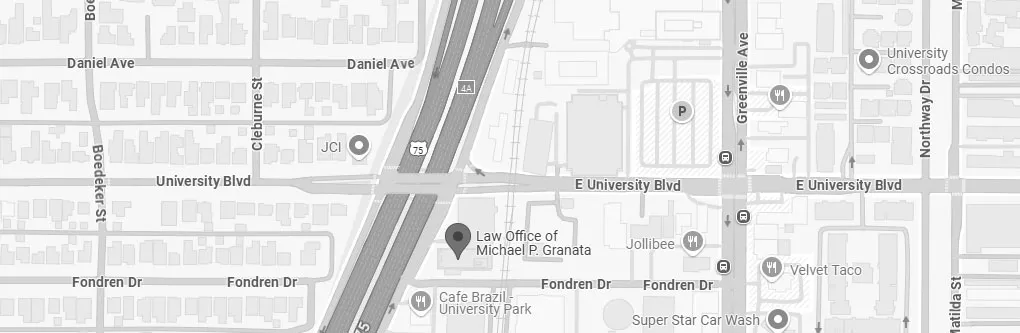
Office: 6440 N. Central Expressway, Suite 450, Dallas, Texas 75206
Phone: (214) 977-9050
Frequently Asked Questions
What should I update first the week after my divorce decree?
Start with your Social Security record if your name changed, then your driver’s license, and immediately update beneficiaries on life insurance and retirement accounts. Beneficiary forms usually control who receives an account, so correcting them right away protects your wishes.
Does my divorce decree automatically change the title to my house?
No. The decree awards the property, but you still need to record the deed and, if required, refinance the mortgage to remove your former spouse. Confirm both were completed rather than assuming the paperwork happened on its own.
What happens during a Dallas divorce lawyer consultation?
A Dallas divorce lawyer consultation is a chance to explain your situation, ask questions, and get an honest assessment of your options and likely timeline. You will learn what to expect, what documents to gather, and how the process works — with no obligation to proceed.
What qualifications should a Dallas family law attorney have?
When evaluating Dallas family law attorney qualifications, look for licensure in Texas, substantial experience in Dallas County family courts, familiarity with both contested and uncontested cases, and transparent communication about strategy and cost. Reading Dallas divorce attorney reviews from past clients can also help you gauge responsiveness and results.
Do I need a child support or child custody lawyer after my divorce is final?
Sometimes. If circumstances change — income, relocation, or a parenting conflict — a Dallas child support attorney or child custody lawyer in Dallas can help you request a modification or enforce your existing order so it continues to reflect your family’s needs.
What is the difference between a contested and an uncontested divorce in Dallas?
An uncontested divorce attorney in Dallas can help when both spouses agree on all major issues, which is typically faster and less expensive. A contested divorce in Dallas involves disputes over property, support, or children that may require negotiation, mediation, or trial to resolve.
Is there such a thing as an affordable divorce lawyer in Dallas?
Yes. Cost depends on the complexity of your case and how much the parties disagree. An affordable divorce lawyer in Dallas will offer transparent pricing and help you focus resources where they matter most, so you understand what you are paying for at every stage.
Do you handle both fathers’ rights and mothers’ rights in Dallas divorces?
Yes. We advocate for parents on both sides. Whether you are pursuing fathers’ rights in a Dallas divorce or protecting mothers’ rights in a Dallas divorce, our focus is on a parenting arrangement that serves your children and preserves your relationship with them.
How do I find the best divorce lawyer in Dallas or a divorce attorney near me?
Search for a divorce attorney near me, then compare experience, local court knowledge, communication style, and client reviews. The best divorce lawyer in Dallas for you is one who explains your options honestly and treats your case with the attention it deserves — not the one who makes the biggest promises.
Ready to Move Forward? Schedule Your Consultation
Working through your post-divorce checklist is far easier with an experienced advocate in your corner. If you have questions about your decree, your obligations, or a step you are not sure was completed, our Dallas divorce lawyer team is ready to help. As a trusted Dallas divorce attorney serving families across Dallas County, we will give you a clear, honest assessment and a practical plan for what comes next.
Call us today at (214) 977-9050 to schedule your consultation, or visit us at 6440 N. Central Expressway, Suite 450, Dallas, Texas 75206. Let us help you close this chapter completely and move forward with confidence.