If you are considering divorce, you are likely feeling a mix of uncertainty, frustration, and concern about what comes next. Those feelings are completely normal. Divorce is one of life’s most significant transitions, and it touches everything from your finances and living situation to your relationship with your children. You do not have to navigate this alone.
This guide was written by a Dallas divorce attorney with more than 25 years of experience helping individuals and families through every stage of the divorce process. Whether you are just beginning to explore your options or are ready to take the first step, this article will walk you through the process of filing for divorce in Dallas, Texas, explain what to expect along the way, and help you understand why choosing the right legal representation matters.
At the Law Office of Michael P. Granata, we believe you deserve honest, straightforward guidance—not empty reassurances. Our goal is to help you make informed decisions based on facts, so you can move forward with clarity and confidence.
Understanding Texas Divorce Law: What Dallas Residents Need to Know
Texas is a “no-fault” divorce state, which means you do not need to prove wrongdoing by your spouse to file for divorce. The most common ground cited is “insupportability,” meaning the marriage has become insupportable due to conflict or discord with no reasonable expectation of reconciliation. However, Texas law also recognizes fault-based grounds—including adultery, cruelty, abandonment, and felony conviction—which can influence property division and other outcomes.
Before filing, you need to meet two key residency requirements. First, at least one spouse must have been a resident of Texas for a continuous six-month period. Second, at least one spouse must have resided in Dallas County (or the county where you plan to file) for at least 90 days. Once these thresholds are met, you can file your Original Petition for Divorce in a Dallas County district court.
A qualified family law attorney serving Dallas can help you determine whether no-fault or fault-based grounds better serve your situation, and how the distinction may affect asset division, spousal support, and custody arrangements.
Contested Divorce in Dallas vs. Uncontested Divorce: Which Path Is Right for You?
One of the first questions people ask is whether their divorce will be contested or uncontested. Understanding the difference early on helps set realistic expectations for timeline, cost, and complexity.
Uncontested Divorce Attorney in Dallas: When Both Parties Agree
An uncontested divorce occurs when both spouses agree on all major issues—property division, child custody, child support, and spousal maintenance. This is typically the fastest, least expensive path to a final decree. In Dallas, an uncontested divorce can sometimes be finalized shortly after the mandatory 60-day waiting period.
Even in an uncontested divorce, working with an experienced attorney protects your interests. What feels like “agreement” today can unravel quickly if the paperwork does not accurately reflect both parties’ intentions.
Contested Divorce in Dallas: When Disagreements Require Court Intervention
A contested divorce arises when spouses cannot agree on one or more critical issues. These cases often involve disputes over the division of substantial assets, child custody arrangements, spousal support, or business valuations. A contested divorce in Dallas may require mediation, temporary orders hearings, discovery, and ultimately a trial before a judge.
If you anticipate a contested divorce, choosing a Dallas divorce attorney with courtroom experience is essential. You need someone who will be strategic, committed, and tough when court is necessary—while always keeping your best interests at the center of every decision. Learn more about our divorce services to understand how we handle complex cases.
Step-by-Step: How to File for Divorce in Dallas, Texas
Below is a detailed walkthrough of the divorce filing process in Dallas County. Each step is important, and errors or oversights can cause costly delays.
Step 1: Confirm Residency Requirements
As noted above, Texas requires six months of state residency and 90 days of county residency. Gather documentation such as a driver’s license, utility bills, or a lease agreement that establishes your residency in Dallas County.
Step 2: Determine Grounds for Divorce
Decide whether to file on no-fault grounds (insupportability) or fault-based grounds. An experienced Dallas divorce lawyer can advise you on which option best supports your goals, especially if fault-based grounds may influence the court’s property division or custody decisions.
Step 3: File the Original Petition for Divorce
The divorce process officially begins when one spouse (the Petitioner) files an Original Petition for Divorce with the Dallas County District Clerk’s office. The petition identifies both spouses, states the grounds for divorce, and outlines requests related to property, children, and support. Filing fees in Dallas County typically range from $300 to $350.
Step 4: Serve Your Spouse
Texas law requires that the other spouse (the Respondent) be formally served with the divorce petition. This is usually accomplished through a process server or the county sheriff’s office. If your spouse agrees to the divorce, they may sign a Waiver of Service, which simplifies and accelerates this step.
Step 5: Navigate the 60-Day Waiting Period
Texas imposes a mandatory 60-day waiting period from the date the petition is filed before a divorce can be finalized. This period is designed to allow for reconciliation, but it also provides time to negotiate terms, gather financial documents, and prepare for mediation if needed.
Step 6: Temporary Orders (If Necessary)
If immediate issues need resolution—such as who stays in the family home, temporary child custody and support arrangements, or restraining orders—your attorney can request temporary orders from the court. These orders remain in effect until the divorce is finalized. Our child custody and child support pages explain these issues in greater detail.
Step 7: Discovery and Financial Disclosure
Both parties are required to disclose their financial situations. Discovery can include interrogatories, requests for production of documents, depositions, and subpoenas. In cases involving significant assets, business ownership, or suspected hidden assets, thorough discovery is critical. For clients navigating high net worth divorce, this step often determines the outcome of the entire case.
Step 8: Mediation and Negotiation
Dallas County courts strongly encourage—and in most cases require—mediation before setting a case for trial. Mediation is a confidential process where a neutral third party helps both spouses reach an agreement. Many divorces settle at mediation, saving both parties significant time and money.
Step 9: Trial (If Settlement Cannot Be Reached)
If mediation fails, the case proceeds to trial. A Dallas County family court judge will hear evidence and testimony from both sides and issue a ruling on all contested issues. Trial preparation requires an attorney who is meticulous, persuasive, and experienced in the courtroom.
Step 10: Final Decree of Divorce
Once all issues are resolved—whether through agreement or trial—the court enters a Final Decree of Divorce. This document is legally binding and governs all terms of the divorce going forward, including property division, custody, support, and any other relevant matters.
Child Custody and Support: Protecting What Matters Most
For parents, the most emotionally charged aspect of divorce is often determining custody and support arrangements. Texas courts use the “best interest of the child” standard when making these decisions, considering factors such as each parent’s living situation, the child’s emotional and physical needs, and the stability of each home.
Child Custody Lawyer in Dallas: Advocating for Your Parental Rights
Whether you are a mother or father, your parental rights deserve vigorous protection. Texas law does not favor one parent over the other based on gender. However, the reality of custody disputes is that outcomes depend heavily on how each case is presented to the court.
As a child custody lawyer in Dallas, Michael P. Granata works closely with each client to build a compelling case that reflects your genuine involvement in your child’s life. We prepare thoroughly, present evidence persuasively, and fight for arrangements that truly serve your child’s wellbeing.
Fathers’ Rights Divorce Dallas
Fathers sometimes feel they face an uphill battle in custody proceedings. While Texas law provides equal standing to both parents, the practical reality is that fathers must be proactive in documenting their involvement and demonstrating their commitment to their children. An experienced attorney can help fathers present their case effectively and pursue meaningful custody and visitation arrangements.
Mothers’ Rights Divorce Dallas
Mothers navigating divorce also face unique challenges, particularly when it comes to financial security and maintaining primary custody. Whether you are seeking to establish support obligations or protect existing custody arrangements, having a knowledgeable advocate on your side ensures that your rights and your children’s needs remain the priority.
Dallas Child Support Attorney: Ensuring Fair Financial Arrangements
Texas calculates child support using a statutory guideline based on the paying parent’s net resources. However, the court has discretion to deviate from guidelines when circumstances warrant. A skilled child support attorney ensures that support calculations are accurate, that all income sources are properly accounted for, and that the final order reflects your child’s actual needs.
Property Division and Spousal Support in Dallas Divorce Cases
Texas is a community property state, meaning most assets acquired during the marriage are considered jointly owned and subject to division. However, “just and right” does not necessarily mean equal. The court considers factors including each spouse’s earning capacity, health, fault in the breakup of the marriage, and the needs of any children.
Separate property—assets owned before the marriage, inheritances, and certain gifts—generally remains with the original owner, but proving separate property claims requires careful documentation.
Spousal maintenance (commonly called alimony) may be awarded in Texas under specific circumstances, such as when one spouse lacks sufficient property or earning ability to provide for their minimum reasonable needs. To learn more, visit our spousal support lawyer page for a detailed overview of how Texas handles spousal maintenance.
How to Choose the Best Divorce Lawyer in Dallas
Choosing the right attorney is one of the most consequential decisions you will make during the divorce process. Not every attorney is the right fit, and the best divorce lawyer in Dallas for your case is one whose experience, communication style, and values align with your needs.
Here are the key criteria to evaluate when selecting a Dallas family law attorney:
- Experience and Specialization. Look for an attorney who concentrates in family law, not a general practitioner who handles divorce cases occasionally. Ask about their experience with cases similar to yours—whether that involves high-asset division, complex custody disputes, or military benefits.
- Dallas Family Law Attorney Qualifications. Verify that the attorney is licensed in Texas, in good standing with the State Bar, and has a track record of handling cases in Dallas County family courts. Local courtroom experience matters because every judge has different preferences and expectations.
- Communication and Honesty. Choose an attorney who provides realistic assessments, not one who tells you what you want to hear. Honest communication—even when the truth is difficult—is the foundation of a productive attorney-client relationship.
- Dallas Divorce Attorney Reviews. Read reviews from former clients. Look for consistent themes around responsiveness, legal knowledge, and trustworthiness. Pay attention to how the attorney handled challenging situations—that tells you more than any advertisement.
- Transparent Pricing. An affordable divorce lawyer in Dallas is not the cheapest one—it provides clear, upfront pricing with no hidden fees. Ask about retainer amounts, hourly rates, and billing practices before signing any agreement.
- Personal Attention. Large firms may assign your case to junior associates you have never met. A smaller firm with a personalized approach ensures that the attorney who knows your case is the one who appears in court on your behalf.
Ready to discuss your situation? Visit our About Us page to learn more about our firm’s background and approach.
Dallas Divorce Lawyer Consultation: What to Expect at Your First Meeting
A Dallas divorce lawyer consultation is your opportunity to ask questions, share your concerns, and get an honest assessment of your case. Here is what a productive first meeting typically covers:
- Case Overview: You will describe your situation—how long you have been married, whether you have children, the general nature of your assets and debts, and any immediate concerns such as safety issues or urgent financial matters.
- Legal Options: Your attorney will explain the divorce process as it applies to your circumstances, including whether your case is likely to be contested or uncontested, what grounds may apply, and the probable timeline.
- Honest Assessment: A good attorney will give you a realistic picture of potential outcomes—not inflate expectations. You should leave the consultation with a clear understanding of your strengths, your challenges, and the next steps.
- Fees and Costs: Transparent pricing is discussed upfront. You will understand the retainer, the billing structure, and an estimate of total costs based on the complexity of your case.
To schedule a consultation with our firm, visit our consultation page or call us directly at (214) 977-9050.
Frequently Asked Questions About Divorce in Dallas, Texas
Below are answers to some of the most common questions people ask when considering divorce in Dallas.
How long does a divorce take in Dallas, Texas?
The minimum timeline is 60 days due to the mandatory waiting period. An uncontested divorce can be finalized shortly after this period expires. A contested divorce in Dallas can take anywhere from several months to over a year, depending on the complexity of the issues involved, the court’s docket, and whether the case goes to trial.
How much does a divorce cost in Dallas?
Costs vary widely based on whether the divorce is contested or uncontested, the complexity of the asset division, and the need for expert witnesses or evaluations. Filing fees in Dallas County are approximately $300 to $350. Attorney’s fees depend on the firm and the scope of work required. An affordable divorce lawyer in Dallas provides clear pricing from the outset so there are no surprises.
Do I need a lawyer to file for divorce in Texas?
You are not legally required to have an attorney, but divorce involves complex legal, financial, and parental rights issues. Even a seemingly straightforward case can have long-term consequences if documents are not properly drafted. Hiring a qualified family law attorney serving Dallas helps protect your interests and ensures that nothing is overlooked.
What is the difference between legal separation and divorce in Texas?
Texas does not recognize legal separation. You are either married or divorced. However, you can obtain court orders for temporary spousal support, child custody, and property use while the divorce is pending.
How is child custody determined in Dallas, Texas?
Texas courts decide custody based on the best interest of the child. Factors include the child’s physical and emotional needs, each parent’s ability to care for the child, the stability of each home environment, and the child’s own wishes if they are old enough. A child custody lawyer in Dallas can help you understand how these factors apply to your specific situation.
Can I get spousal support in a Texas divorce?
Spousal maintenance is available in Texas but is not automatic. To qualify, you generally must demonstrate that you lack sufficient property or earning ability to meet your minimum reasonable needs. The court considers the length of the marriage, each spouse’s financial resources, and other factors.
What should I bring to my first meeting with a divorce attorney?
Bring a government-issued ID, recent tax returns, pay stubs, bank and investment account statements, mortgage documents, a list of debts, and any prenuptial or postnuptial agreements. If children are involved, bring information about their school, medical providers, and current living arrangements.
How is property divided in a Dallas divorce?
Texas divides community property in a manner the court considers “just and right.” This does not always mean a 50/50 split. The court weighs factors such as each spouse’s earning potential, fault in the marriage’s breakup, health considerations, and the needs of any children. Separate property is not divided but must be properly documented and proven.
Serving Dallas and Surrounding Communities
Our Dallas divorce law firm proudly serves clients throughout Dallas County. We understand that divorce proceedings often involve local court systems, and our extensive experience in Dallas-area family courts gives our clients a distinct advantage.
Whether you need a Dallas area divorce lawyer, a family attorney serving Garland, or representation in any of the surrounding communities, we bring the same level of dedication and skill to every case.
Primary Service Areas:
- Dallas
- Garland
- Richardson
- Mesquite
- Irving
- DeSoto
- Grand Prairie
- Seagoville
- Duncanville
Key Services: Divorce, Child Custody, Child Support, Asset Division, and Mediation.
Why Clients Choose the Law Office of Michael P. Granata
With more than 25 years of experience as a Dallas divorce attorney, Michael P. Granata has built a practice grounded in values that set our firm apart:
- Honest Case Assessment: We provide realistic evaluations of your case—not undeliverable inflated promises. You will always know where you stand.
- Transparent Pricing: We explain fees upfront so you can make informed decisions about your representation without worrying about hidden costs.
- Personalized, Small-Team Attention: When you hire our firm, you work directly with your attorney—not a revolving door of associates.
- Clear Legal Guidance: We provide a clear, concise explanation of your legal options so you understand every step of the process.
- Strategic and Tough When Necessary: We take a compassionate approach to every case, but when court is necessary, we are committed, strategic, and prepared to fight for your interests.
- Genuine Care Over Empty Reassurances: We believe in honest communication and genuine care for your interests with transparent guidance about outcomes. Our goal is to help you make informed decisions based on facts, not false hope.
We understand that no two divorces are alike, and we tailor our approach to the specific needs and priorities of each client. Whether your case involves a straightforward uncontested divorce or a complex contested matter with significant assets and custody disputes, you can count on dedicated, knowledgeable representation.
Take the First Step: Schedule Your Consultation Today
Divorce is never easy, but you do not have to face it without clear guidance and honest support. If you are searching for a divorce attorney near me or a Dallas divorce lawyer you can trust, we invite you to contact the Law Office of Michael P. Granata for a consultation.
We will listen to your story, assess your situation honestly, and explain your options clearly—so you can make the decisions that are right for you and your family.
Law Office of Michael P. Granata
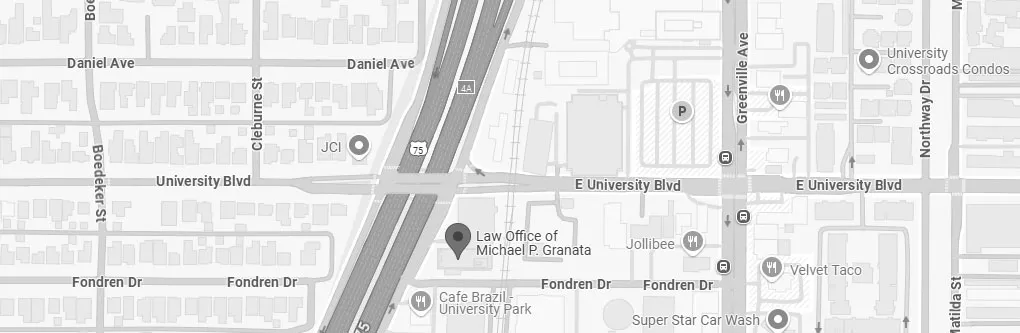
6440 N. Central Expressway, Suite 450, Dallas, Texas 75206
Phone: (214) 977-9050
Website: www.dallasdivorcelawyer.com