When parents separate or divorce, few situations create more anxiety than the prospect of one parent moving away with the children. Whether you’re considering a job opportunity in another city or worried that your ex-partner might relocate with your kids, understanding how Texas courts handle relocation cases is crucial to protecting your parental rights and your children’s wellbeing.
Relocation disputes represent some of the most emotionally charged and legally complex matters in family law. As a Dallas divorce attorney with over 25 years of experience, I’ve helped countless parents navigate these difficult situations. This comprehensive guide will explain Texas law on relocation, what factors courts consider, and how to protect your relationship with your children.
Understanding Texas Relocation Law: The Legal Framework
Texas law recognizes that parents have a constitutional right to travel and choose where to live. However, this right must be balanced against the other parent’s right to maintain a meaningful relationship with their children and the children’s best interests. The legal framework governing relocation cases in Texas comes primarily from case law rather than specific statutes.
Unlike some states that have specific relocation statutes, Texas courts rely on the “best interest of the child” standard when evaluating relocation requests. This means that whether you’re the parent wanting to move or the parent opposing the move, your family lawyer must present compelling evidence focused on what serves your children’s welfare rather than simply your own preferences.
When Court Approval Is Required for Dallas Divorce Attorney Cases
Whether you need court approval to relocate with your children depends on your current custody arrangement and the language in your divorce decree or custody order. Many Texas custody orders include geographic restrictions that limit where the custodial parent can establish the child’s primary residence.
If your custody order contains a geographic restriction, you must obtain either the other parent’s written consent or court approval before moving outside the designated area. Common geographic restrictions in Dallas County include:
- Dallas County and contiguous counties (Collin, Denton, Ellis, Kaufman, Rockwall)
- A specific radius from a designated location (such as 50 or 100 miles from Dallas)
- The entire Dallas-Fort Worth metroplex
- The state of Texas
Even if your order doesn’t contain an explicit geographic restriction, attempting to relocate may trigger a modification action by the other parent. The experienced child custody lawyer in Dallas team at our firm can review your specific order and advise you on whether court approval is necessary.
Factors Texas Courts Consider in Relocation Cases
When evaluating a relocation request, Texas courts conduct a comprehensive analysis of numerous factors to determine what arrangement serves the child’s best interests. Understanding these factors is essential whether you’re pursuing relocation or defending against it.
The Child’s Best Interest Standard for Best Divorce Lawyer in Dallas Cases
Texas Family Code Section 153.002 outlines factors courts must consider when determining the best interest of the child. While this statute applies to all custody matters, courts give particular weight to certain factors in relocation cases:
- The child’s physical, psychological, and emotional needs now and in the future
- The physical, psychological, or emotional danger to the child now and in the future
- The parenting abilities of the individuals seeking custody
- Programs available to assist those individuals to promote the child’s best interest
- Plans for the child by the individuals or agencies seeking custody
- The stability of the home or proposed placement
- The acts or omissions of the parent that may indicate that the existing parent-child relationship is not a proper one
- Any excuse for the acts or omissions of the parent
Specific Relocation Considerations for Dallas Divorce Lawyer Consultation
Beyond the general best interest factors, Texas courts examine specific elements unique to relocation cases. A qualified Dallas family law attorney will help you present evidence addressing each of these considerations:
Reason for the Proposed Move
Courts scrutinize the relocating parent’s motivations. Legitimate reasons that courts typically view favorably include:
- Employment opportunities offering significantly better income or career advancement
- Educational opportunities for the parent or child
- Proximity to extended family support systems
- Health or medical needs requiring specialized care available only in another location
- Remarriage to a spouse whose employment requires relocation
Conversely, courts view unfavorably moves that appear designed primarily to interfere with the other parent’s relationship with the child or that lack substantial justification. Your contested divorce in Dallas attorney should gather documentation supporting legitimate reasons for your relocation.
Impact on the Non-Relocating Parent’s Relationship
Texas courts highly value maintaining strong relationships between children and both parents. The court will carefully evaluate how the proposed move would affect:
- The frequency and quality of the non-relocating parent’s time with the child
- The non-relocating parent’s involvement in the child’s daily activities, school, and extracurriculars
- The child’s emotional bond with the non-relocating parent
- The feasibility of maintaining the current visitation schedule or creating a reasonable alternative
Distance and Feasibility of Maintaining Contact
The practical realities of maintaining parent-child contact matter significantly. Courts consider:
- Driving distance between the current and proposed residences
- Availability and cost of transportation (flights, gas, lodging)
- Both parents’ work schedules and ability to accommodate revised visitation
- Technology options for maintaining communication (video calls, messaging)
A move from Dallas to Houston (approximately 240 miles) presents different challenges than a move to Denver or Seattle. Your Dallas child support attorney can help calculate the financial implications of long-distance visitation arrangements.
Proposed Visitation Schedule
Parents seeking to relocate must present a detailed, workable visitation plan that preserves the non-relocating parent’s relationship with the child. Effective plans typically include:
- Extended summer visitation (often 4-6 weeks or more)
- School breaks and holidays split equitably
- Regular weekend visits when feasible
- Provisions for transportation costs and responsibilities
- Communication schedules (phone calls, video chats)
Child’s Preference
Texas law allows courts to consider the wishes of a child age 12 or older regarding which parent they prefer to live with. While not determinative, a child’s preference carries weight, particularly if the child articulates mature, well-reasoned preferences.
Courts recognize that younger children’s preferences may be heavily influenced by either parent. Judges typically interview older children in chambers to assess their true feelings without parental pressure. The fathers’ rights divorce Dallas and mothers’ rights divorce Dallas representation we provide ensures your parental rights are protected during these sensitive proceedings.
The Legal Process for Relocation Cases in Dallas
Understanding the procedural steps involved in relocation cases helps you prepare for what lies ahead. The process varies depending on whether you’re seeking permission to relocate or opposing another parent’s relocation request.
Filing a Modification Suit for Divorce Attorney Near Me
A parent seeking to relocate beyond the geographic restriction in their custody order must typically file a Petition to Modify the Parent-Child Relationship. This petition requests the court to:
- Remove or modify the geographic restriction
- Adjust the possession and access schedule to accommodate the distance
- Potentially modify child support obligations to account for increased travel costs
The burden of proof rests with the parent seeking modification. You must demonstrate that circumstances have materially and substantially changed since the current order was entered and that the proposed modification serves the child’s best interest. Your affordable divorce lawyer in Dallas should begin gathering evidence supporting your case immediately.
Evidence and Documentation
Successful relocation cases require compelling evidence. Whether you’re seeking relocation or opposing it, work with your attorney to compile:
- Employment documentation (job offers, salary information, advancement opportunities)
- Housing information in the proposed location
- School quality comparisons and educational opportunities
- Financial analysis of the move’s impact on both parents and children
- Transportation costs and travel schedules
- Communication plans and technology resources
- Expert testimony (child psychologists, custody evaluators)
- Records of the child’s activities, achievements, and relationships in the current location
Temporary Orders and Emergency Hearings
Relocation disputes sometimes require immediate judicial intervention. If one parent plans to move before the court can conduct a full hearing, the other parent may seek a temporary restraining order (TRO) or temporary injunction preventing relocation until the court decides the matter.
Courts may grant temporary orders maintaining the status quo if the parent seeking to prevent relocation demonstrates:
- Immediate and irreparable harm to the child or parent-child relationship if relocation proceeds
- A substantial likelihood of success on the merits of the underlying modification case
- That the harm from allowing relocation outweighs any harm from denying it temporarily
Trial and Final Orders
If parents cannot reach an agreement through negotiation or mediation, the case proceeds to trial. Relocation trials typically involve extensive testimony from both parents, expert witnesses, and sometimes the children (if age-appropriate).
After considering all evidence, the judge will issue a final order either granting or denying the relocation request, along with any necessary modifications to custody, visitation, and support arrangements.
Strategies for Parents Seeking Relocation
If you need to relocate with your children, strategic planning and careful execution dramatically improve your chances of court approval.
Early Planning and Communication
Provide the other parent with as much advance notice as possible about your relocation plans. Courts view favorably parents who demonstrate good faith by:
- Informing the other parent early about potential relocation opportunities
- Providing detailed information about the proposed move
- Attempting to negotiate a mutually acceptable arrangement before filing court papers
- Demonstrating flexibility and willingness to facilitate the other parent’s relationship with the child
Developing a Comprehensive Parenting Plan
Present the court with a detailed, thoughtful parenting plan that addresses every foreseeable issue. Your plan should cover:
- Regular visitation schedule with specific dates and times
- Holiday and summer vacation schedules
- Transportation arrangements and cost allocation
- Communication protocols (frequency of calls, video chats, messaging)
- Information sharing about school, medical care, and activities
- Mechanisms for resolving future disputes
Demonstrating Benefits to the Child
Focus evidence on concrete benefits the relocation offers the child, not just benefits to you. Strong evidence includes:
- Better schools or educational programs
- Enhanced extracurricular or enrichment opportunities
- An extended family support network in the new location
- Improved living conditions or safer neighborhoods
- Financial stability from better employment that benefits the child
Strategies for Parents Opposing Relocation
If your child’s other parent wants to relocate, you have the right to oppose the move and fight to preserve your relationship with your children.
Documenting Your Involvement
Build a strong record of your active involvement in your children’s lives. Gather evidence showing:
- Attendance at school events, conferences, and activities
- Participation in medical appointments and healthcare decisions
- Coaching, volunteering, or supporting extracurricular activities
- Regular exercise of visitation rights
- Financial support beyond the required child support
Challenging the Other Parent’s Justification
Scrutinize the other parent’s stated reasons for relocating. Present evidence if:
- The move seems designed to interfere with your relationship with the child
- Comparable opportunities exist locally
- The other parent has a history of violating court orders
- The proposed move lacks concrete benefits for the child
Proposing Alternatives
Rather than simply opposing relocation, consider presenting alternative solutions that address the other parent’s legitimate concerns while preserving your relationship with your children. Options might include:
- Offering to assume primary custody if the other parent still wishes to relocate
- Proposing a trial period to assess how the arrangement works
- Suggesting creative custody arrangements that accommodate both parents’ needs
Special Considerations in Dallas Area Relocation Cases
Dallas County, Texas and the surrounding areas present unique factors that influence relocation cases.
Economic Opportunities in the Dallas-Fort Worth Metroplex
The Dallas-Fort Worth metroplex ranks among the nation’s fastest-growing regions with robust employment opportunities across numerous industries. This economic vitality cuts both ways in relocation cases:
Parents seeking to relocate may face challenges demonstrating that opportunities elsewhere significantly exceed what’s available locally. Conversely, parents opposing relocation can point to the region’s strong economy to argue against the necessity of moving for employment.
Geographic Spread and Transportation
The Dallas-Fort Worth metroplex spans an enormous geographic territory. Standard geographic restrictions in Dallas County custody orders often include contiguous counties, creating a permitted zone covering thousands of square miles. A parent could move from Dallas to Fort Worth or from Richardson to Southlake while remaining within a typical geographic restriction.
However, even moves within the permitted zone can substantially impact visitation logistics due to traffic congestion and commute times. When evaluating relocation requests, courts consider the practical realities of Dallas-area traffic and transportation.
The Role of Mediation and Alternative Dispute Resolution
Many Texas courts require mediation before proceeding to trial in modification cases, including relocation disputes. Mediation offers several advantages over litigation:
- Greater control over the outcome rather than leaving the decision to a judge
- More flexible solutions tailored to your family’s unique circumstances
- Reduced legal fees and faster resolution
- A less adversarial process that may preserve the co-parenting relationship
- Confidential proceedings versus public trial
A skilled mediator helps parents explore creative solutions that might not be available through litigation. For instance, parents might agree to a gradual transition plan, a trial relocation period, or a modified custody arrangement that addresses both parents’ legitimate concerns.
Modifying Child Support in Relocation Cases
Relocation often necessitates child support modifications to account for changed circumstances and additional expenses.
Transportation Costs
Long-distance visitation creates significant additional expenses. Courts must determine how to allocate costs for:
- Airline tickets or gas for extended drives
- Hotel accommodations, if necessary
- Transportation to and from airports or meeting points
Courts typically order the relocating parent to bear all or most transportation costs, though this isn’t automatic. The allocation depends on factors including:
- Relative incomes of both parents
- Whether the relocation was necessary or voluntary
- The court’s assessment of each parent’s good faith in the situation
Income Changes
If relocation involves a significant change in either parent’s income, child support calculations may change accordingly. The parent receiving a substantial raise through relocation may owe increased support, while a parent taking a pay cut might qualify for reduced support obligations.
Enforcing and Modifying Relocation Orders
Court orders regarding relocation are legally binding and enforceable. Understanding your rights and remedies if the other parent violates these orders is crucial.
Unauthorized Relocation
If a parent relocates in violation of a geographic restriction or court order, the other parent can file enforcement actions seeking:
- An order requiring the violating parent to return with the child to the permitted area
- Contempt findings with potential jail time or fines
- Attorney’s fees and costs
- Modification of custody based on the violation
In extreme cases involving relocation without the other parent’s knowledge or in defiance of court orders, courts may view the conduct as evidence of attempting to interfere with the parent-child relationship, potentially justifying a change in primary custody.
Subsequent Modifications
Circumstances change over time. Parents may return to court to modify relocation-related orders if:
- The relocating parent wants to move again
- The non-relocating parent now seeks to move
- The visitation schedule proves unworkable
- Children’s needs or circumstances change significantly
Frequently Asked Questions About Texas Relocation Cases
Can I move out of state with my child after a divorce in Texas?
Whether you can move out of state depends on your custody order. If your order contains a geographic restriction limiting where you can establish your child’s primary residence, you must either obtain the other parent’s written consent or court approval before moving outside that area. If your order doesn’t contain a geographic restriction, you technically have more freedom, but the other parent could still file a modification action to prevent the move or change custody arrangements. Consulting with an experienced Dallas divorce attorney before making relocation plans is essential.
How far can a parent move with a child in Texas?
The distance a parent can move depends entirely on the geographic restriction in the custody order. Common restrictions in Dallas County include Dallas County and contiguous counties, which would allow moves to places like Plano, Frisco, Fort Worth, or Arlington. Some orders restrict moves to within 50 or 100 miles of a specific location. Other orders permit moves anywhere within Texas. If your order contains no geographic restriction, there’s technically no distance limit, though the other parent could challenge any significant relocation through a modification suit.
What happens if my ex moves away with my child without permission?
If your ex relocates in violation of a court order’s geographic restriction, you can file an enforcement action immediately. The court can order them to return to the permitted area, hold them in contempt (with potential jail time or fines), require them to pay your attorney’s fees, and in severe cases, modify custody to give you primary possession. Time is critical in these situations, so contact a family law attorney serving Dallas immediately if your ex relocates without proper authorization.
Do I need a lawyer for a relocation case?
While Texas law doesn’t require legal representation, relocation cases are among the most complex and contentious family law matters. The outcome profoundly impacts your relationship with your children and your future. An experienced attorney understands what evidence courts find persuasive, how to present your case effectively, and what pitfalls to avoid. They can also help negotiate settlements that might be more favorable than going to trial. Most parents benefit enormously from experienced legal counsel in relocation cases. Schedule a consultation to discuss your specific situation.
How long does a relocation case take in Texas?
The timeline varies significantly based on whether parents reach agreement or proceed to trial. Cases resolved through negotiation or mediation might conclude in a few months. Contested cases requiring extensive discovery, expert evaluations, and trial can take 6-12 months or longer. Emergency situations involving unauthorized relocation may result in temporary hearings within weeks, though final resolution still takes time. Your attorney can provide a more specific timeline based on your case’s unique circumstances and the current court docket.
Can a court force me to move back if I relocated with my child?
Yes, if you relocated in violation of a geographic restriction or court order, a Texas court can order you to return to the permitted area with your child. The court has enforcement powers including contempt citations that can result in jail time if you refuse to comply. In some cases, courts may even transfer primary custody to the other parent if relocation was done in bad faith or shows unwillingness to follow court orders. This is why obtaining proper authorization before relocating is absolutely critical.
What if both parents want to relocate to different places?
When both parents seek to relocate to different locations, the court must determine which relocation (if either) serves the child’s best interest. The judge evaluates each proposed relocation using the same factors discussed earlier: reasons for the move, impact on the child, proposed visitation plans, and overall benefit to the child. The court might approve one relocation, deny both and maintain the current arrangement, or in some cases, change custody to the non-relocating parent if one parent decides not to pursue their relocation. These situations are particularly complex and benefit greatly from skilled legal representation. Our divorce services include experienced representation in complicated relocation disputes.
Protecting Your Rights in Texas Relocation Cases
Relocation cases represent some of the most emotionally difficult and legally significant matters parents face after divorce. Whether you’re seeking to relocate with your children or fighting to prevent your ex-partner from moving away, the outcome will profoundly affect your family’s future.
Texas law attempts to balance important competing interests: a parent’s right to choose where to live and pursue opportunities, the other parent’s right to maintain a meaningful relationship with their children, and most importantly, the children’s best interests. Successfully navigating this complex legal landscape requires thorough preparation, compelling evidence, and strategic advocacy.
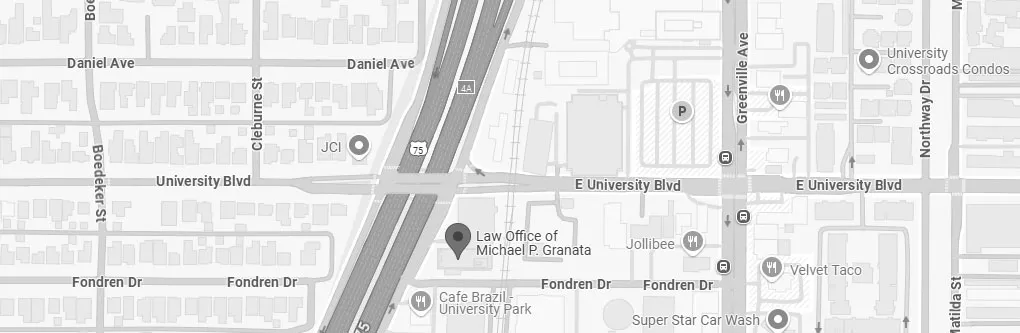
At the Law Office of Michael P. Granata, I understand what’s at stake in relocation cases. With over 25 years of experience practicing family law in Dallas, I’ve helped numerous parents successfully handle relocation disputes. I provide honest assessments of your case—not false reassurances or unrealistic promises. My approach emphasizes thorough preparation, strategic thinking, and when necessary, aggressive courtroom advocacy.
I believe you deserve transparent guidance based on facts and realistic expectations. Whether through negotiation, mediation, or trial, I work to achieve outcomes that protect your parental rights and serve your children’s best interests.
If you’re facing a relocation issue—whether you’re seeking to move or opposing another parent’s relocation—don’t wait to seek legal advice. Early consultation allows you to understand your rights, plan strategically, and build the strongest possible case. Visit our blog for additional family law resources, or learn more about us and our approach to family law representation.
Serving Dallas and Surrounding Communities
Our Dallas divorce law firm proudly serves clients throughout Dallas County. We understand that divorce proceedings often involve local court systems, and our extensive experience in Dallas-area family courts gives our clients a distinct advantage.
Primary Service Areas:
- Dallas
- Garland
- Richardson
- Mesquite
- Irving
- DeSoto
- Grand Prairie
- Seagoville
- Duncanville
As a Dallas area divorce lawyer and family attorney serving Garland, Richardson, Irving, and surrounding communities, we provide comprehensive legal services including:
- Divorce (both uncontested divorce attorney in Dallas and contested cases)
- Child custody
- Child support
- Asset division and property settlement
- High net worth divorce
- Spousal support and alimony
- Mediation and alternative dispute resolution
Why Choose the Law Office of Michael P. Granata:
- 25+ Years of Experience: I bring over a quarter century of dedicated family law practice to every case
- Personalized Attention: As a small firm, you work directly with me, not a team of junior associates
- Transparent Pricing: Clear fee structures with no hidden costs or surprises
- Honest Communication: I provide realistic assessments based on facts, not false hope or empty reassurances. You deserve to understand your options clearly and make informed decisions
- Strategic and Committed Representation: I approach every case with genuine care for your interests while maintaining the strategic thinking and courtroom toughness needed when litigation becomes necessary
- Dallas Family Law Attorney Qualifications: Extensive knowledge of Dallas County family courts, judges, and procedures
I believe in compassionate but realistic advocacy. While I genuinely care about your well-being and interests, I won’t make promises I can’t keep or provide false assurances about outcomes. My goal is to give you transparent guidance that helps you make informed decisions based on facts, not unrealistic expectations.
Contact Information:
Law Office of Michael P. Granata
6440 N. Central Expressway, Suite 450
Dallas, Texas 75206
Phone: (214) 977-9050
Don’t face relocation disputes alone. Contact the Law Office of Michael P. Granata today to schedule a Dallas divorce lawyer consultation. Let’s discuss your situation and develop a strategy to protect your parental rights and your children’s best interests.
When searching for a Dallas divorce attorney or reading Dallas divorce attorney reviews, look for experience, honest communication, and genuine commitment to your interests. That’s what you’ll find at the Law Office of Michael P. Granata.