Divorce is rarely easy. Whether you have been thinking about it for months or the decision was thrust upon you unexpectedly, the road ahead can feel overwhelming. You may be worried about your children, your finances, your home, and your future — all at the same time. Those feelings are valid, and you deserve a process that respects both your emotional wellbeing and your legal rights.
One of the most important decisions you will make early in your divorce is how you resolve your disputes. Many people assume that divorce automatically means a courtroom battle. The truth is that the vast majority of Texas divorces are resolved through alternative dispute resolution (ADR) — and understanding your options can save you significant time, money, and emotional energy.
As a Dallas divorce attorney with more than 25 years of experience in Texas family courts, I have guided thousands of clients through both mediation and litigation. This article will walk you through the key differences, help you understand which path may be right for your situation, and explain why the benefits of private settlements and virtual mediation are reshaping how Dallas families navigate divorce in 2026.
What Is Alternative Dispute Resolution in a Texas Divorce?
Alternative dispute resolution refers to any method of resolving legal disagreements outside of a traditional courtroom trial. In Texas family law, the two most common forms of ADR are mediation and collaborative divorce. Texas courts actively encourage — and in many cases require — that divorcing couples attempt mediation before proceeding to trial.
ADR is particularly well-suited to family law matters because it prioritizes cooperation over confrontation. When children are involved, preserving a functional co-parenting relationship is essential. Mediation and other ADR processes give both parties a voice and a degree of control that is simply not available in a courtroom, where a judge makes the final decisions. If you are considering your options, scheduling a Dallas divorce lawyer consultation is a strong first step toward understanding which approach fits your circumstances.
How Mediation Works in Texas Family Law Cases
In mediation, both spouses and their attorneys meet with a neutral third-party mediator. The mediator does not make decisions or take sides. Instead, they facilitate communication, help identify common ground, and guide both parties toward a mutually acceptable agreement. Sessions can take place in person at a mediator’s office, at one of the attorneys’ offices, or — increasingly in 2026 — through a secure virtual platform.
Mediation is often the preferred method for resolving issues related to child custody, child support, property division, and spousal support. Many families working with a child custody lawyer in Dallas find that mediation allows them to reach creative parenting arrangements that a court might not consider.
When Litigation Becomes Necessary: Contested Divorce in Dallas
Litigation is the traditional court process where each side presents evidence and arguments to a judge who then renders a decision. In a contested divorce in Dallas, litigation may be necessary when one spouse is hiding assets, there are allegations of domestic violence, substance abuse is affecting the children, or one party simply refuses to negotiate in good faith.
Litigation can be effective and sometimes essential. A skilled family law attorney serving Dallas will know when mediation has reached its limits and courtroom advocacy is the right move. The key is having an attorney who can assess your situation honestly and recommend the approach that truly serves your interests — not just the one that generates the most fees.
Mediation vs. Litigation: A Side-by-Side Comparison for Dallas Divorce Cases
Understanding the practical differences between mediation and litigation can help you make an informed decision. Here is how they compare across the factors that matter most to Dallas families:
1. Cost
Mediation is almost always less expensive than litigation. A typical mediation in the Dallas area may cost between $3,000 and $7,000 total when you factor in attorney preparation time and the mediator’s fee. A fully litigated divorce that goes to trial, by contrast, can easily cost $15,000 to $50,000 or more per spouse, depending on the complexity of the issues. If you are searching for an affordable divorce lawyer in Dallas, a mediation-focused approach may be the best path to controlling your legal expenses.
2. Timeline
Texas imposes a mandatory 60-day waiting period after filing for divorce. Beyond that minimum, a mediated divorce can often be finalized within three to six months. Litigated cases in Dallas County can take 12 to 18 months or longer, particularly when court dockets are congested. The sooner you resolve your case, the sooner you can move forward with your life.
3. Privacy
Court proceedings are public record. Mediation is private and confidential. This distinction is especially important for families dealing with sensitive issues like finances, business valuations, or personal matters they do not want on the public record. Clients navigating high net worth divorce situations often prefer mediation specifically for this reason.
4. Control Over the Outcome
In mediation, you and your spouse make the decisions. In litigation, a judge decides. For issues like custody schedules, holiday arrangements, and property division, having direct control means you can craft solutions tailored to your family’s unique needs rather than accepting a one-size-fits-all court order.
5. Impact on Children
Divorce affects children no matter which process you choose, but mediation generally minimizes the conflict that causes the most harm. A Dallas child support attorney or child custody lawyer in Dallas who prioritizes your children’s wellbeing will often recommend mediation as the default approach, reserving litigation for situations where safety or fairness demands it.
6. Emotional Toll
Courtroom battles are adversarial by design. Mediation, while sometimes difficult, is structured around problem-solving rather than winning and losing. Many clients report that mediation preserved enough goodwill to make co-parenting workable after the divorce was finalized.
The Benefits of Private Settlements in Texas Divorce
A private settlement is any agreement reached outside of court, whether through mediation, collaborative law, or direct negotiation between attorneys. In Texas, private settlements in divorce cases offer several distinct advantages that are worth understanding before you decide on a path forward.
Confidentiality Protects Your Family
When a divorce goes to trial, testimony, financial disclosures, and other evidence become part of the public record. Private settlements keep the details of your agreement between you and your spouse. For families where one or both spouses are business owners, professionals, or public figures, this privacy is invaluable. Even for families without a public profile, keeping personal financial information off the public record is simply smart.
Customized Solutions for Complex Families
Courts are bound by statutes and guidelines. A private settlement allows for creative arrangements. For example, parents might agree to a custody schedule that accounts for a child’s extracurricular activities in a way a court order might not address. Fathers rights in divorce in Dallas and mothers rights in divorce in Dallas are both better served when the parents themselves design the parenting plan, rather than having one imposed by a judge who spent a few hours learning about their family.
Faster Resolution and Lower Conflict
Private settlements typically resolve faster than litigated cases. They also tend to produce less post-decree conflict because both parties helped create the terms. When people feel heard and respected during the negotiation process, they are more likely to comply with the agreement long-term.
Higher Compliance Rates
Research consistently shows that agreements reached through mediation and negotiation have higher voluntary compliance rates than court-imposed orders. This means fewer enforcement actions, fewer returns to court, and less ongoing legal expense. An uncontested divorce attorney in Dallas who focuses on mediation-based resolution can help you build an agreement designed to last.
The Cost-Effectiveness of Virtual Mediation in 2026
Virtual mediation was already gaining traction before 2020, but it has become a standard and widely accepted practice in Texas family law by 2026. The convenience, cost savings, and effectiveness of online mediation have made it a preferred option for many Dallas families — and the results speak for themselves.
How Virtual Mediation Works
Virtual mediation uses secure video conferencing platforms to connect the spouses, their attorneys, and the mediator. The mediator can place parties in separate virtual “rooms” (called caucuses) just as they would in an in-person session. Documents can be shared, reviewed, and signed electronically, often during the same session.
Why Virtual Mediation Saves Money
The cost savings from virtual mediation come from several sources:
- Reduced overhead. No one pays for a conference room or office space rental for the session.
- No travel costs or lost work time. You participate from your home, office, or any private location with an internet connection. There is no need to take an entire day off work, arrange childcare, or drive across the Dallas metro area during rush hour.
- Shorter sessions with higher focus. Virtual sessions tend to be more focused and efficient. Many mediators report that virtual sessions reach resolution in less total time than equivalent in-person sessions.
- Electronic document handling. Agreements can be drafted, reviewed, and signed digitally within the same session, eliminating follow-up appointments and courier fees.
- Greater scheduling flexibility. Virtual platforms make it easier to schedule sessions around work and parenting obligations, reducing the total number of rescheduled or extended sessions.
Is Virtual Mediation Right for Your Dallas Divorce?
Virtual mediation works well for most divorce cases, including those involving child custody disputes, child support calculations, property division, and spousal support negotiations. It can be particularly effective for couples who want to minimize direct confrontation, since the virtual format naturally provides a physical buffer.
However, virtual mediation may not be ideal in every situation. Cases involving complex financial discovery where large volumes of documents need to be reviewed in real time, or cases where one party has concerns about intimidation or coercion, may benefit from in-person sessions with additional safeguards. Your attorney can help you evaluate whether virtual or in-person mediation — or a combination of both — is the best approach for your case.
How to Choose the Right Dallas Divorce Attorney for Your ADR Needs
Not every attorney approaches ADR the same way. When you are evaluating the best divorce lawyer in Dallas for your situation, consider the following criteria:
- Experience in both mediation and litigation. You want an attorney who is genuinely skilled at negotiation but also prepared to go to court if necessary. Attorneys who only mediate may lack the courtroom credibility that strengthens your negotiating position. Attorneys who only litigate may not invest the effort needed to reach a fair settlement.
- Dallas family law attorney qualifications. Look for attorneys with extensive experience specifically in Texas family law courts. Knowledge of local judges, court procedures, and Dallas County-specific practices makes a meaningful difference in outcomes.
- Transparent communication. The best attorneys give you honest assessments of your case, including the parts you may not want to hear. Be cautious of attorneys who promise outcomes they cannot guarantee or who tell you only what you want to hear.
- Client reviews and reputation. Dallas divorce attorney reviews from former clients can reveal a great deal about how an attorney communicates, how they handle setbacks, and whether they deliver on their commitments. Look for patterns of honesty and competence rather than flashy marketing.
- Fee transparency. A trustworthy attorney will explain their fee structure upfront, help you understand what drives costs, and work to keep your case on budget. Transparent pricing is not just about affordability — it is about respect for the client.
Frequently Asked Questions About Divorce Mediation and Litigation in Dallas
What is the difference between mediation and litigation in a Texas divorce?
Mediation is a private, voluntary process where a neutral mediator helps you and your spouse reach an agreement. Litigation is a court-based process where a judge hears evidence and makes binding decisions. Most Dallas divorce cases begin with mediation, and many are resolved without ever going to trial.
How much does divorce mediation cost in Dallas?
A typical mediation session in the Dallas area ranges from $1,500 to $5,000 for the mediator’s fee, plus your attorney’s time for preparation and attendance. Total costs for a mediated divorce are generally a fraction of what a fully litigated case would cost. Virtual mediation can further reduce expenses.
Can I use mediation if my spouse and I disagree on child custody?
Yes. Mediation is often especially effective for child custody disputes because it allows parents to design a custody arrangement that reflects their children’s actual needs. A child custody lawyer in Dallas who is experienced in mediation can advocate for your parental rights while working toward an agreement that serves the entire family.
Is a mediated agreement legally binding in Texas?
Yes. Once both parties sign a mediated settlement agreement (MSA) in Texas, it is generally binding and enforceable. The agreement is submitted to the court and incorporated into the final divorce decree. Texas law provides very limited grounds for setting aside an MSA, which is why it is essential to have experienced legal representation during the mediation process.
What happens if mediation fails?
If mediation does not result in a full agreement, you still have the option to litigate the unresolved issues in court. Some cases reach partial agreements in mediation and only litigate the remaining disputes. Your attorney will advise you on the best strategy based on where negotiations stand.
How long does a divorce take in Dallas County?
Texas requires a minimum 60-day waiting period after filing. A mediated or uncontested divorce can be finalized in three to six months. A contested divorce in Dallas that goes to trial may take 12 to 18 months or longer, depending on the court’s docket and the complexity of the issues.
Do I need a lawyer for mediation, or can I go alone?
While you are not legally required to have an attorney at mediation, it is strongly recommended. A divorce attorney near me search should lead you to someone who can protect your legal rights during the process, ensure you understand the implications of any proposed agreement, and prevent you from making concessions that could be difficult to undo. Read more on our Blog for additional guidance on preparing for mediation.
Serving Dallas and Surrounding Communities
Our Dallas divorce law firm proudly serves clients throughout Dallas County. We understand that divorce proceedings often involve local court systems, and our extensive experience in Dallas-area family courts gives our clients a distinct advantage. Whether you need an experienced Dallas divorce lawyer, a Dallas area divorce lawyer who understands the nuances of suburban court systems, or a family attorney serving Garland, Richardson, or any of the surrounding communities, our office is here to help.
Primary Service Areas:
- Dallas
- Garland
- Richardson
- Mesquite
- Irving
- DeSoto
- Grand Prairie
- Seagoville
- Duncanville
Key Services: Divorce, Child Custody, Child Support, Asset Division, and Mediation
Why Choose the Law Office of Michael P. Granata?
With more than 25 years of dedicated Texas family law experience, we bring a combination of qualities that set our practice apart:
- Personalized attention from a small team that knows your case by name — not by file number.
- Transparent pricing with clear explanations of what your case will cost and why.
- Honest case assessments — we give you a realistic picture of your options, not inflated promises designed to win your retainer.
- Compassionate but strategic representation — we prefer negotiation and mediation when they serve your interests, but we are fully prepared to be tough and committed if court is necessary.
- Clear communication over empty reassurances. We believe in honest dialogue about outcomes, realistic timelines, and genuine care for your interests.
- A focus on informed decisions — our goal is to help you make choices based on facts and sound legal analysis, not false hope.
To learn more about our background and approach, visit our About Us page or explore our full range of Divorce Services.
Schedule Your Dallas Divorce Lawyer Consultation Today
If you are facing a divorce and wondering whether mediation or litigation is the right path for your family, we are here to help. Contact the Law Office of Michael P. Granata to schedule a consultation. We will listen to your situation, give you an honest assessment of your options, and help you build a strategy that protects what matters most.
Law Office of Michael P. Granata
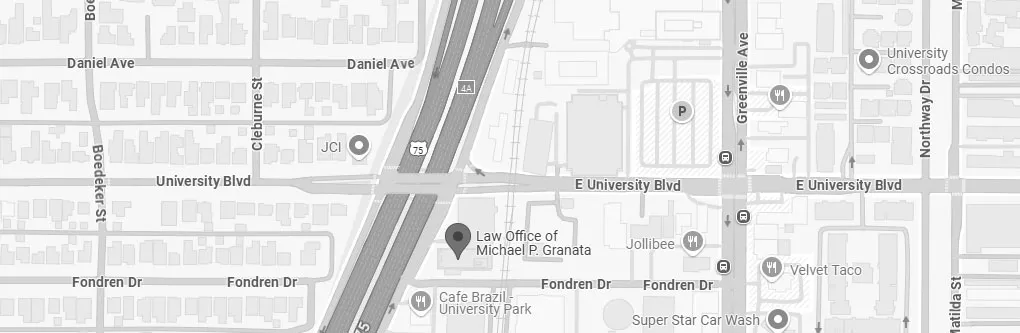
6440 N. Central Expressway, Suite 450, Dallas, Texas 75206
Phone: (214) 977-9050
Website: www.dallasdivorcelawyer.com
Disclaimer: This article is provided for general informational purposes only and does not constitute legal advice. Every divorce case is unique, and the information in this article may not apply to your specific situation. Please consult with a qualified Texas family law attorney before making any legal decisions. Reading this article or contacting our office does not create an attorney-client relationship.